



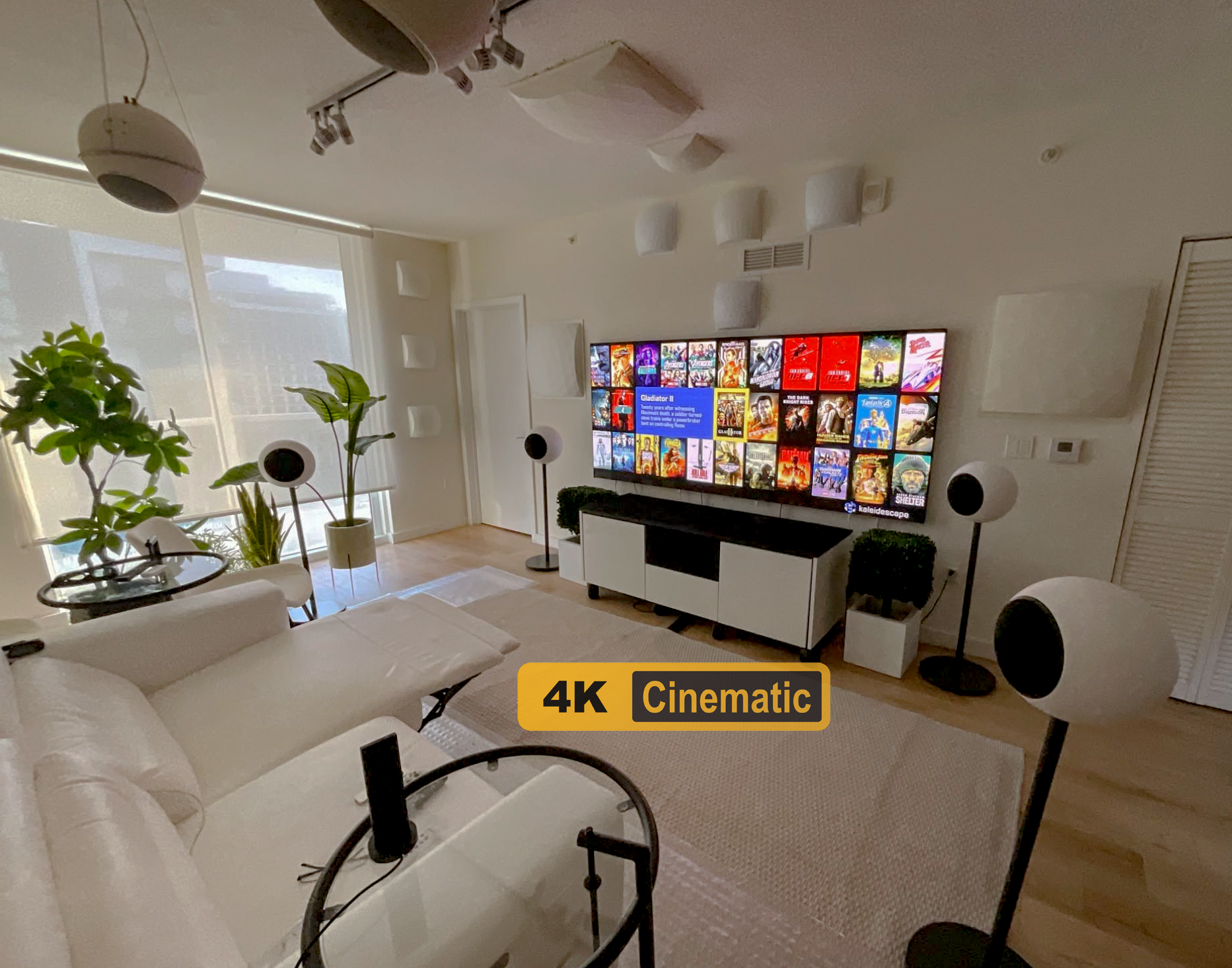
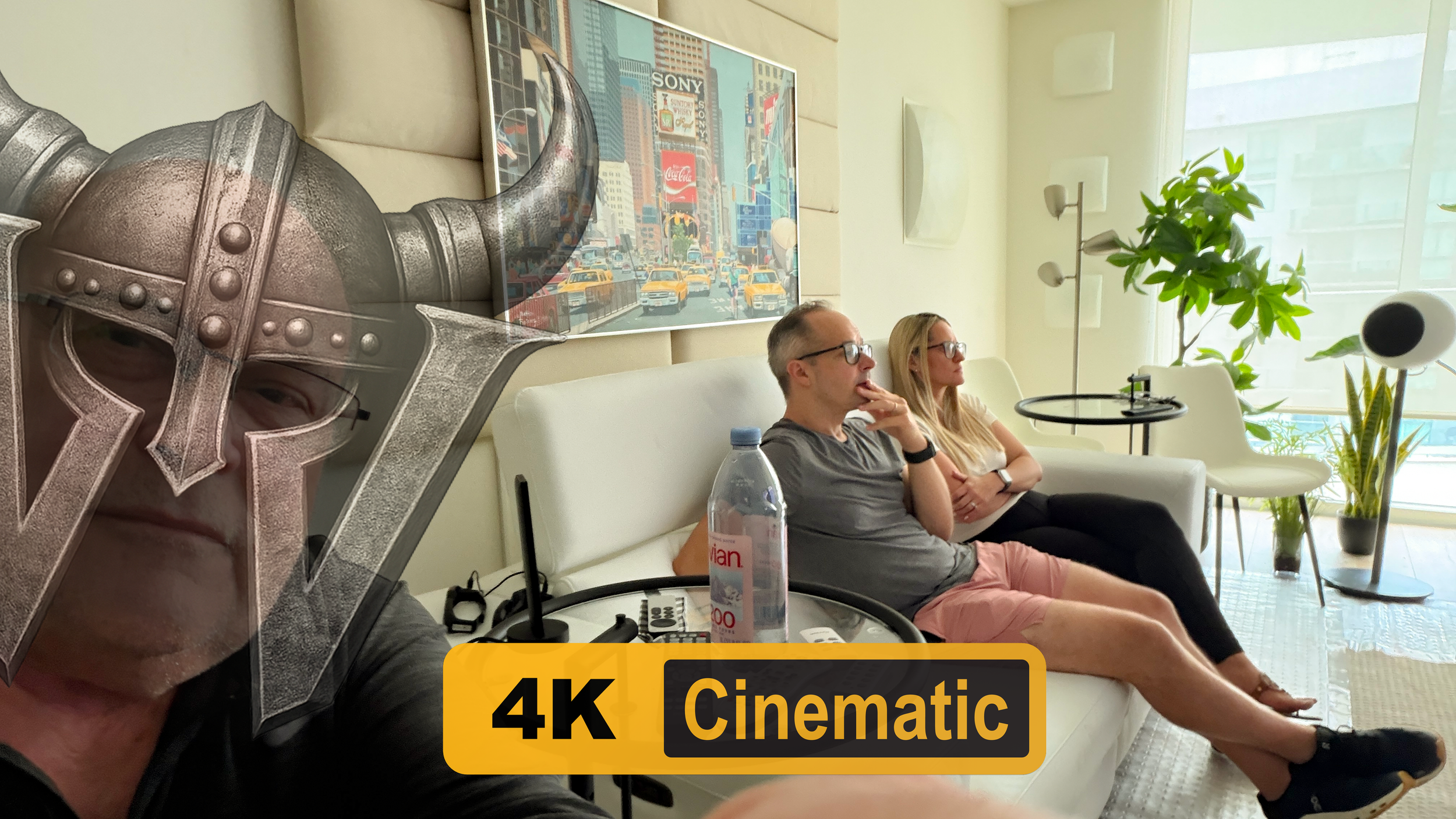
Five classic films were carefully compared by this unusually eagle-eyed couple: the Caulfields. They arrived fully expecting there would be little difference between the 4K HDR versions and the 4K CINEMATIC versions. Due to the additional cost involved, he was genuinely hoping the improvement would be minuscule, so he would not have to invest further in his theater.
That was not the case. They observed a two- to threefold improvement in picture quality.
Personally, I—Wallhalla—will never watch that shit again! Every standard 4K HDR and HD version will be extricated from the Kaleidescape server, never to occupy those spinning disk drives again.
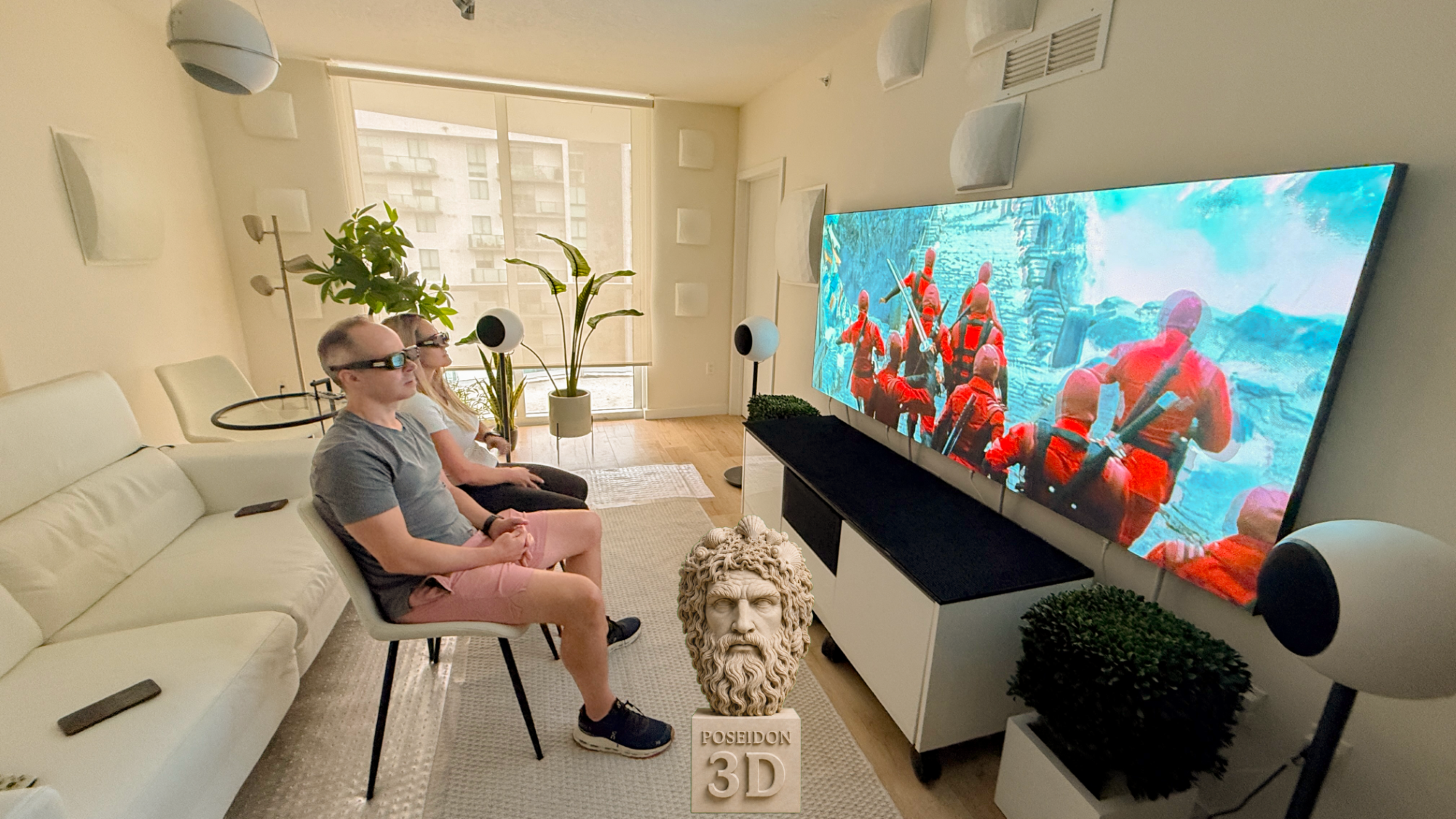
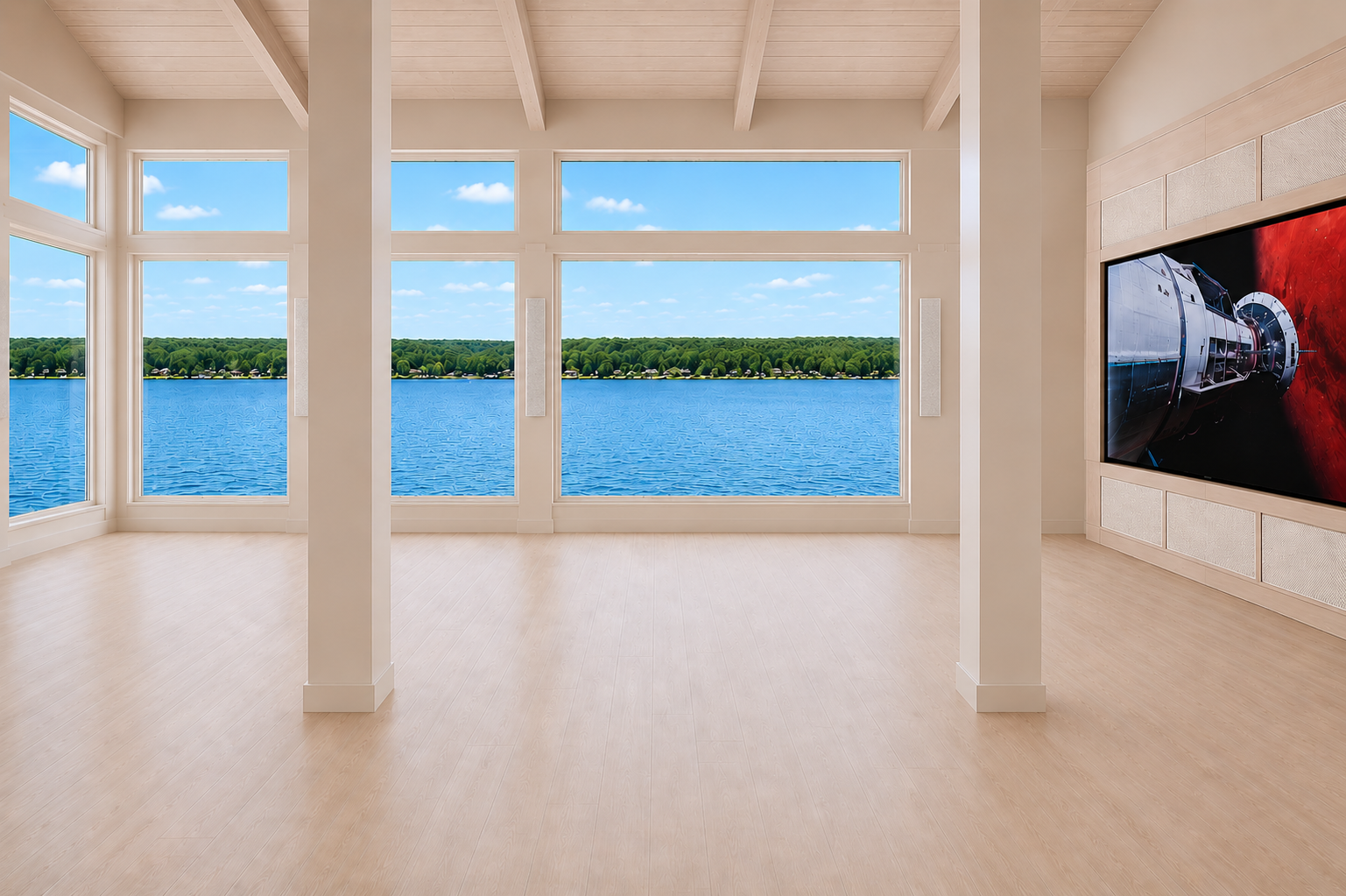
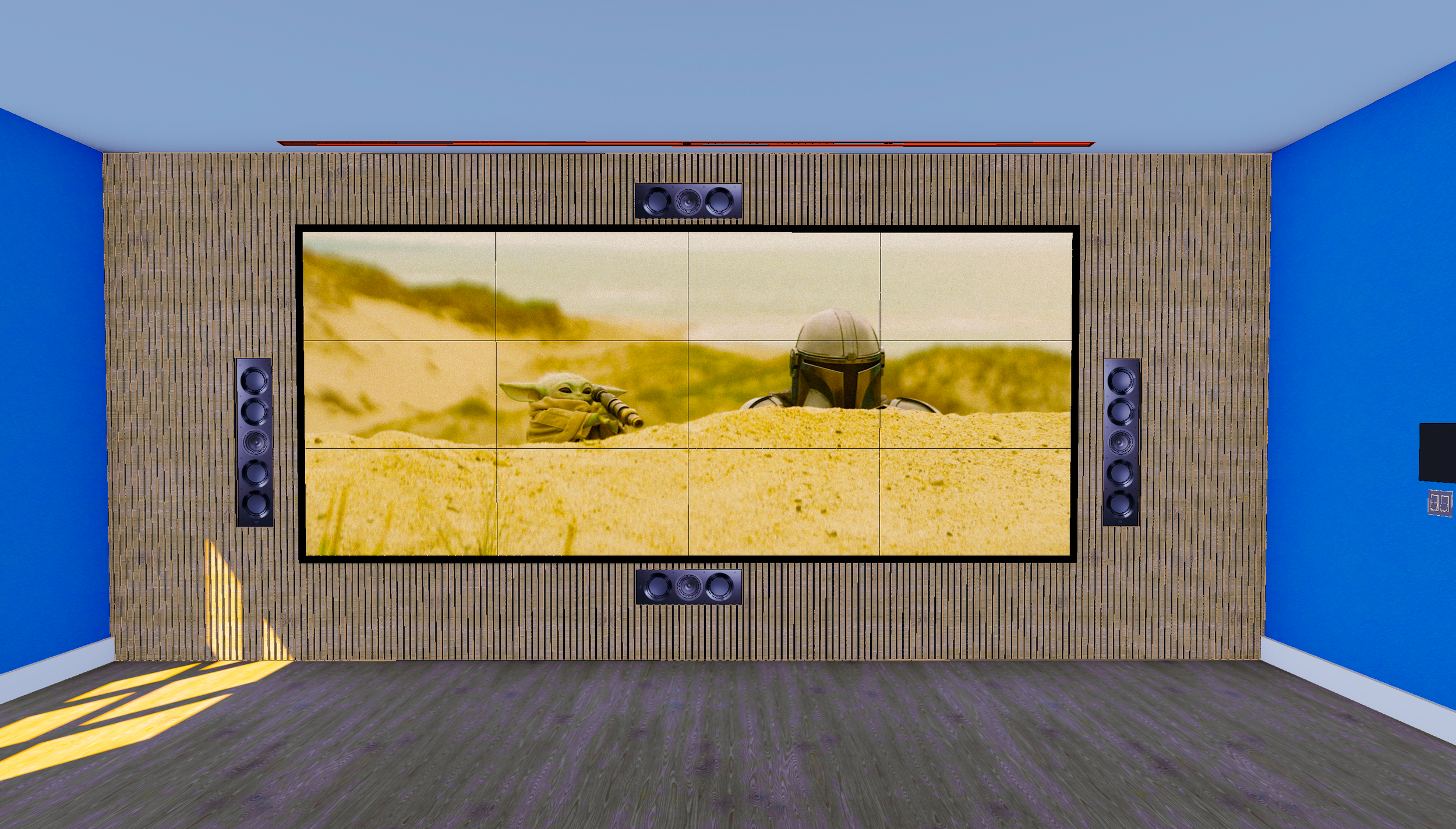
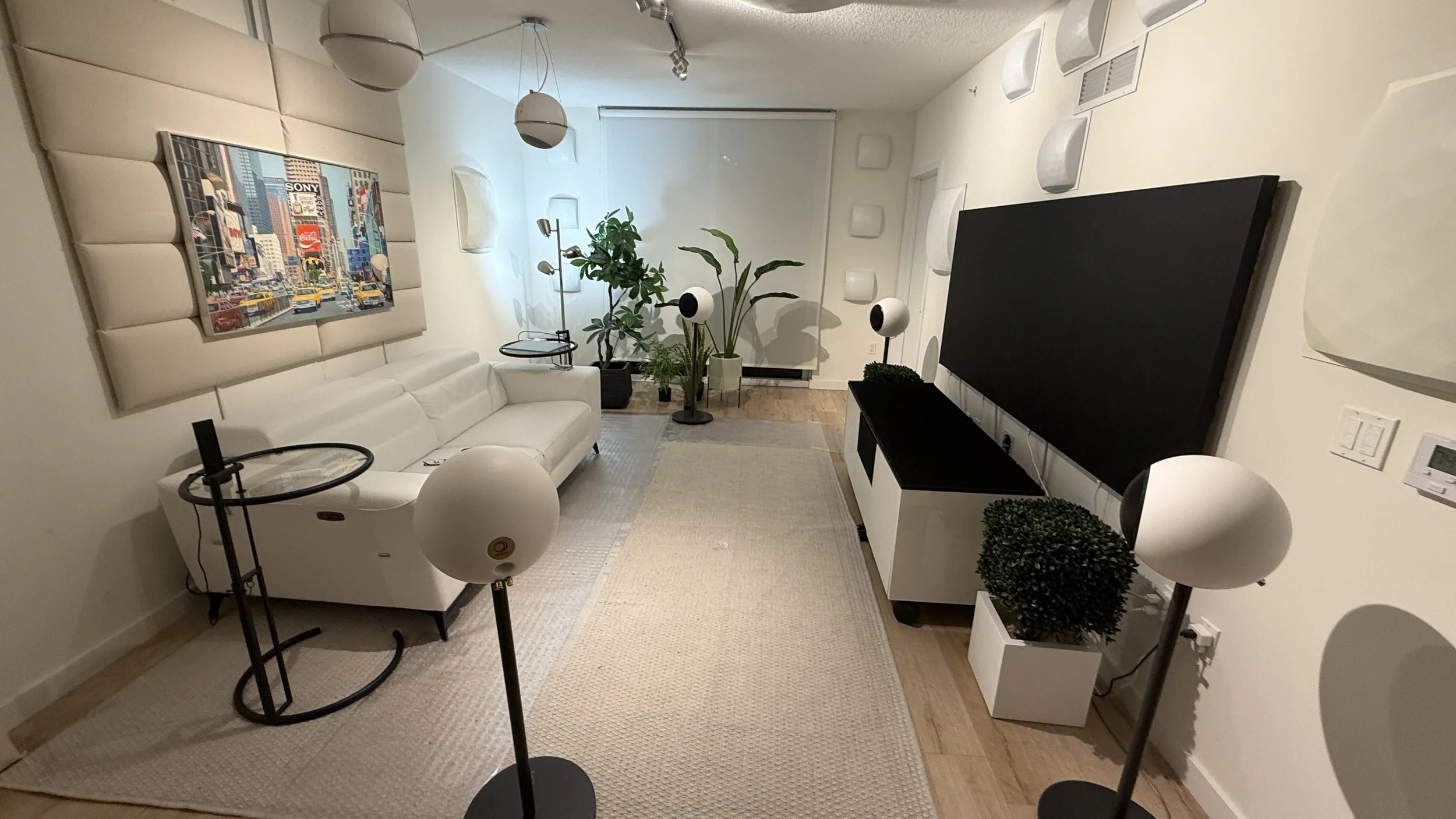
Here, the Caulfields are attempting to recreate the viewing angles of the upcoming POSEIDON 3D Lakeside Cinema, which will feature a screen four times the area of this 8-footer—twice as wide at 16 feet—with the same 1.2 mm pixel pitch.
THE ONLY VIDEOWALL THAT APPEARS LIKE A PROJECTED IMAGE
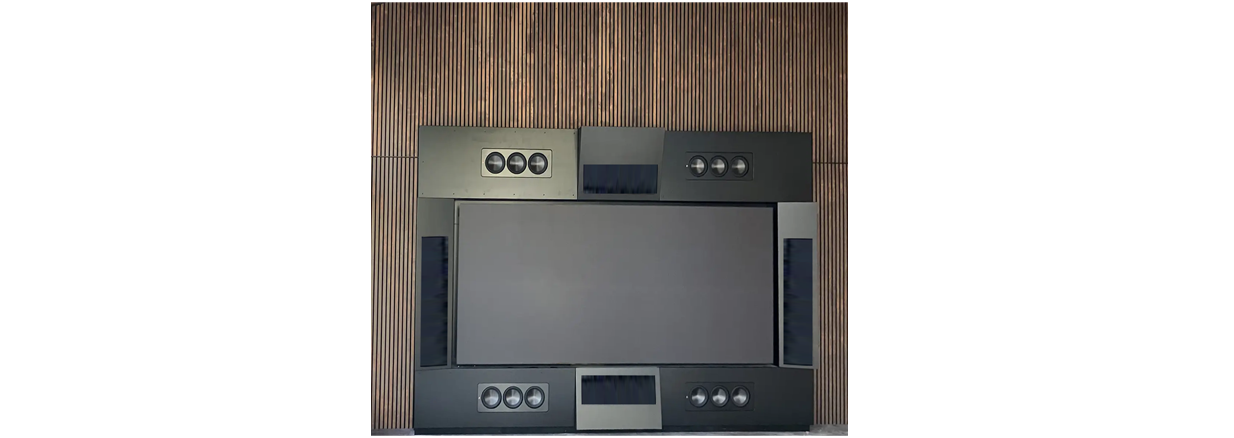
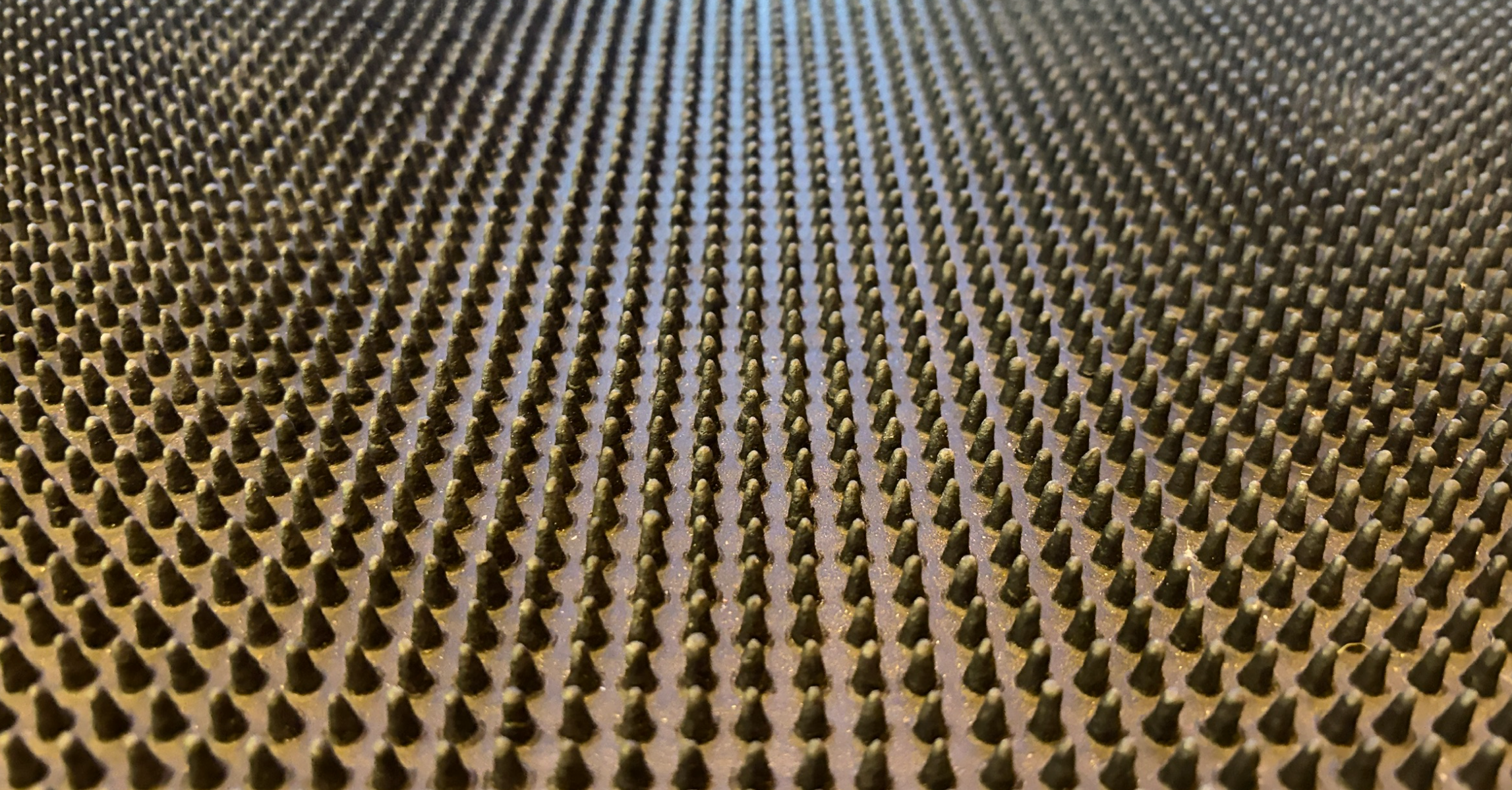
AFTER 25 YEARS WITH PROJECTORS, I PREFER THEIR IMAGE TO THE GLOSSY LOOK OF MOST TVS. THE LIGHT-ABSORBING, SEAM-HIDING MICROCORRUGATED FINISH LOOKS LIKE A BRIGHT PROJECTED IMAGE, ELIMINATES REFLECTIONS, AND PROVIDES THE SAME PROJECTOR-LIKE CHARACTER DURING BOTH DAY AND NIGHT VIEWING.
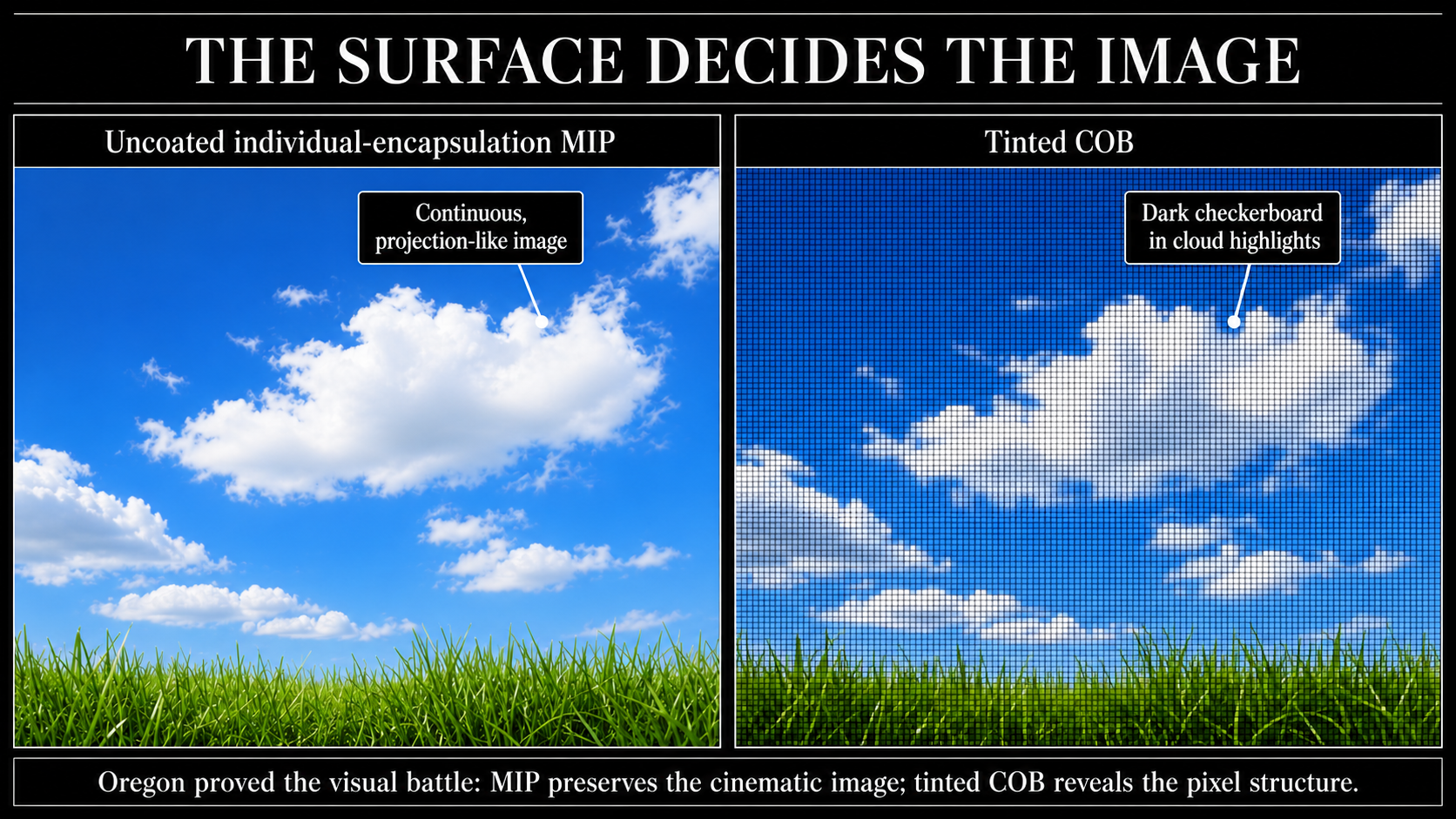
THE OBJECTIVE OF A CINEMA DISPLAY IS NOT SIMPLY TO PRODUCE AN IMPRESSIVE CONTRAST NUMBER. THE DISPLAY SURFACE AND PIXEL ARCHITECTURE SHOULD DISAPPEAR PERCEPTUALLY, LEAVING THE VIEWER LOOKING AT THE PHOTOGRAPHIC IMAGE RATHER THAN THE MECHANISM PRODUCING IT.
WALLHALLA’S 4-IN-1 MIP ARCHITECTURE IS DESIGNED AROUND THAT PRINCIPLE. RATHER THAN PLACING A TINTED ENCAPSULATION, FILM, OR COATING IN FRONT OF THE PIXELS TO ARTIFICIALLY DARKEN THE SURFACE, IT COMBINES HIGH NATIVE CONTRAST WITH A LIGHT-ABSORBING MICROCORRUGATED FINISH THAT MINIMIZES REFLECTIONS WHILE PRESERVING THE DIRECT OPTICAL CHARACTER OF THE EMITTED LIGHT.
THIS BECOMES ESPECIALLY IMPORTANT WITH SUBTITLES, CREDITS, BRIGHT WHITE FIELDS, AND OTHER HIGH-CONTRAST MATERIAL. TINTED SURFACES CAN MAKE THE GEOMETRY SURROUNDING INDIVIDUAL EMITTERS MORE PERCEPTUALLY CONSPICUOUS. THE GOAL IS EXACTLY THE OPPOSITE: SUPPRESS THE VISIBILITY OF THE PIXEL STRUCTURE SO THAT IT MERGES INTO A CONTINUOUS, PROJECTED-IMAGE-LIKE PICTURE.
THE RESULT IS A FUNDAMENTALLY CINEMATIC DESIGN PHILOSOPHY: ACHIEVE THE REQUIRED BLACK LEVEL AND CONTRAST THROUGH NATIVE PERFORMANCE, OPTICAL DESIGN, AND ELECTRONIC CONTROL, WHILE ALLOWING THE MICROCORRUGATED SURFACE TO ABSORB AMBIENT LIGHT, CONCEAL CABINET SEAMS, AND AVOID THE GLOSSY, REFLECTIVE CHARACTER ASSOCIATED WITH CONVENTIONAL DIRECT-VIEW DISPLAYS.

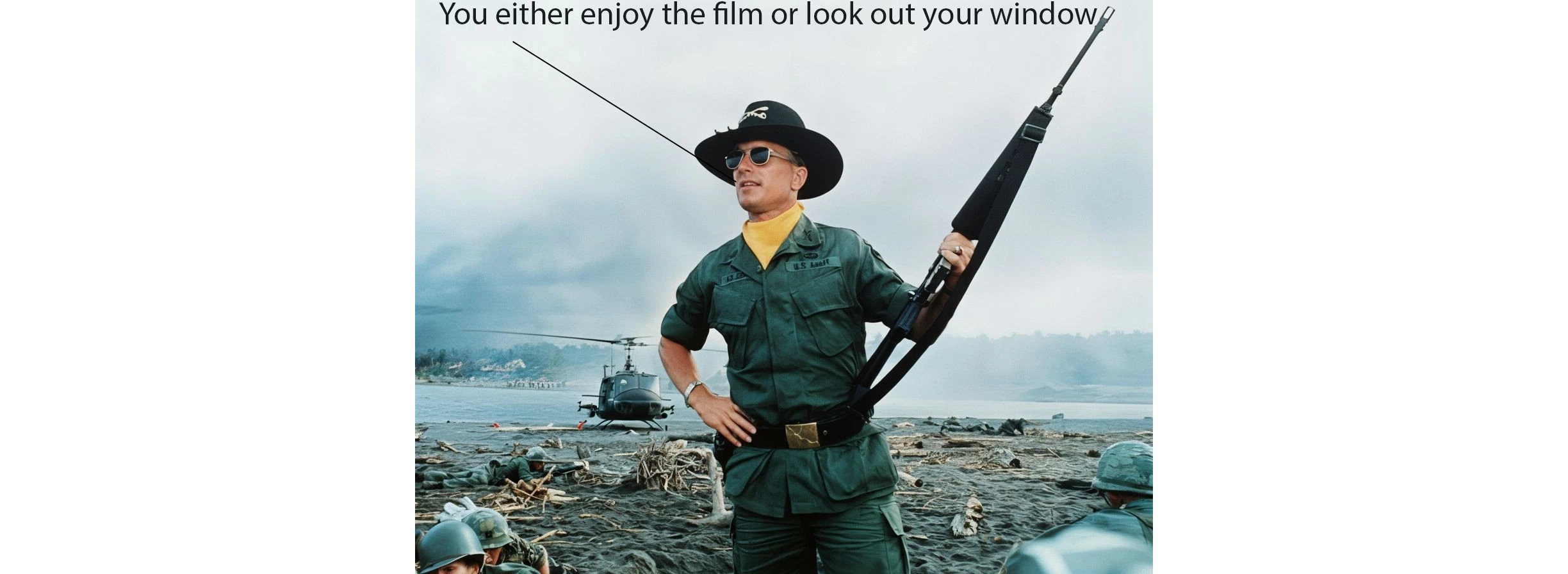
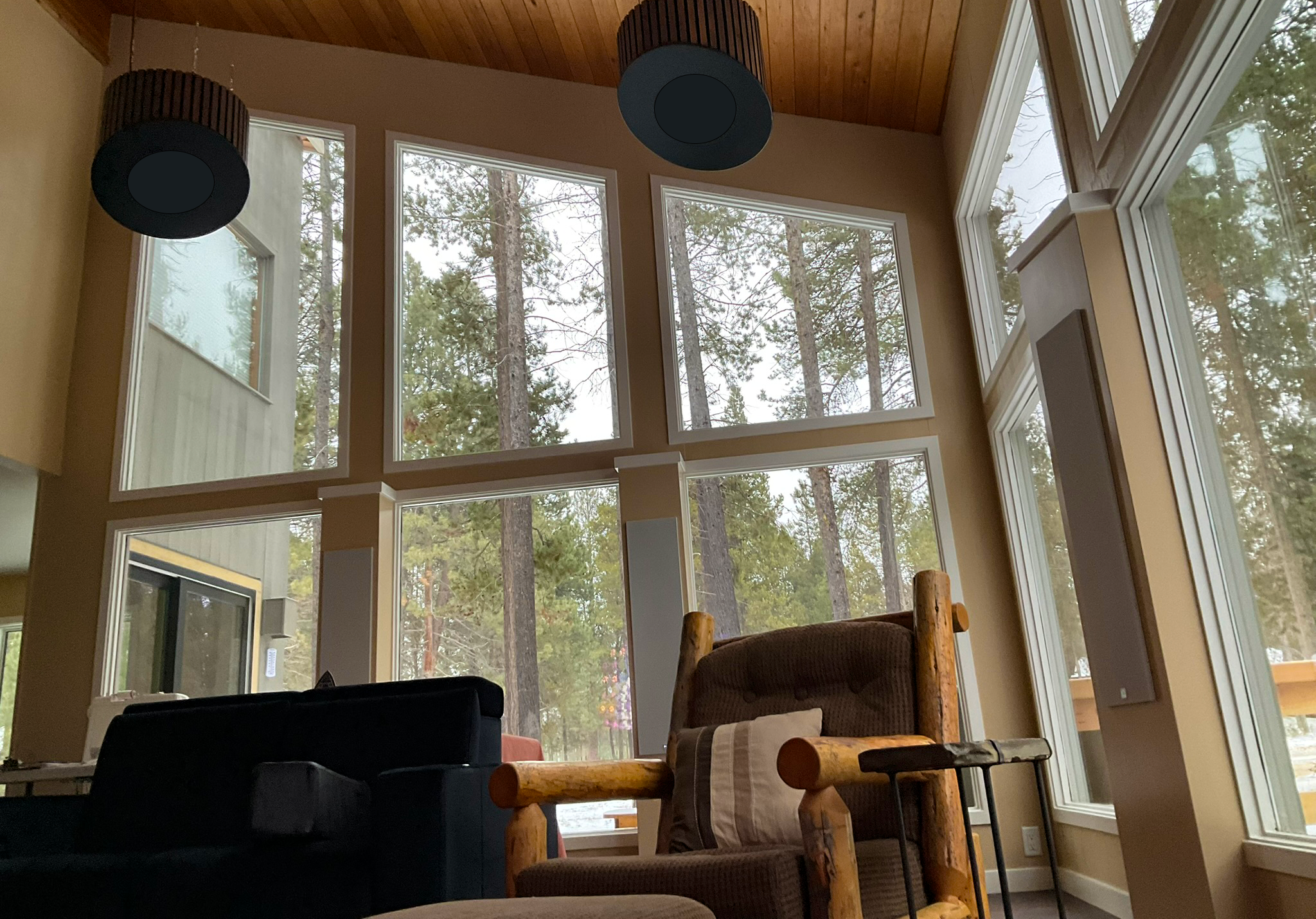
OUR METIER IS ENABLING DUAL VIEWS
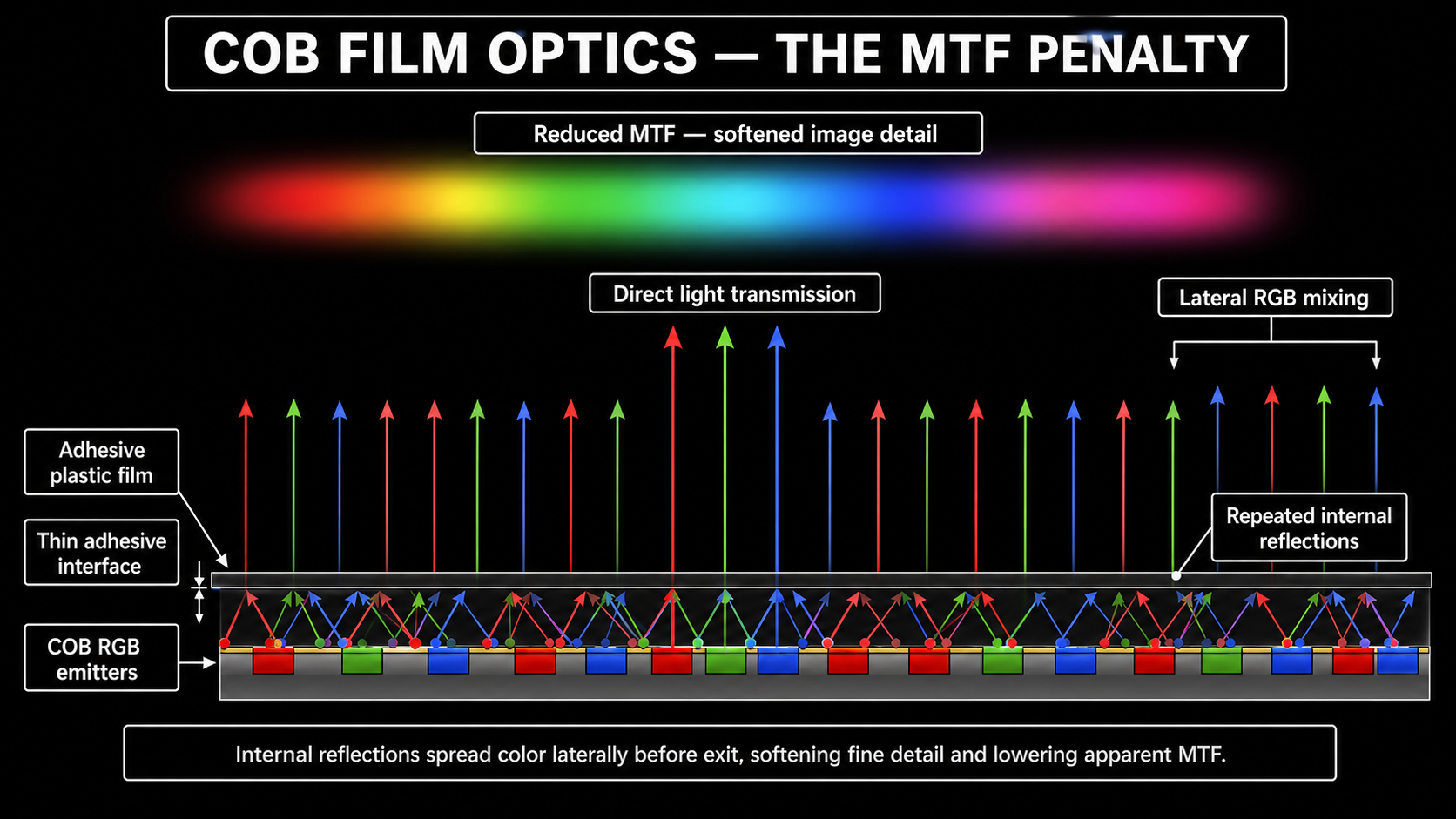
MONO-ENCAPSULATION 4-IN-1 MIP IS ALWAYS BETTER THAN COB’S FULL-MODULE ENCAPSULATION
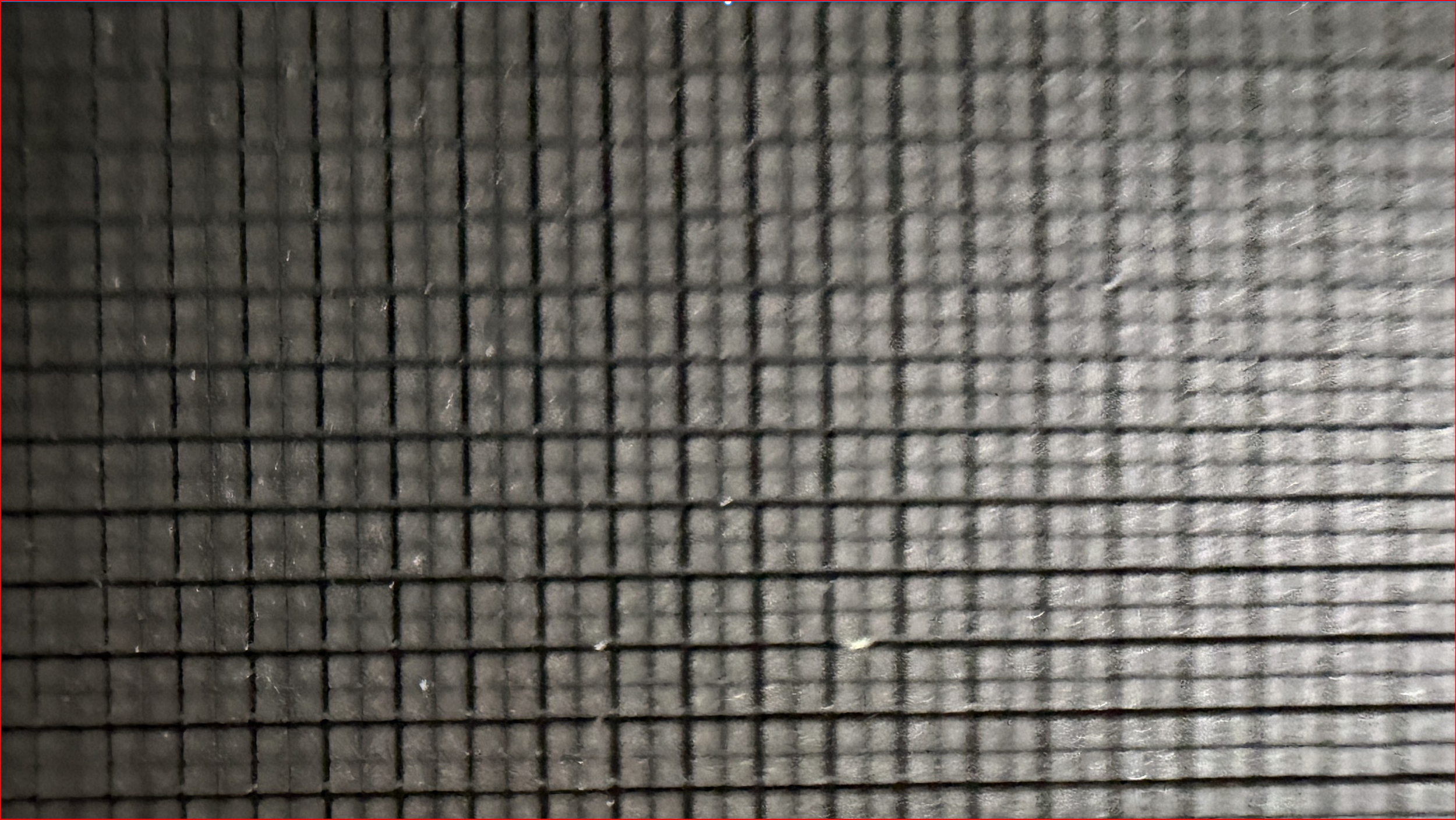
WALLHALLA EMPEROR SERIES

Engineered with Guidance from Dr. Zhu
China's Most Respected LED Display Authority
Chief Scientist of the Exclusive Wallhalla Dual-Calibration-Memory Supreme-Performance Videowall Architecture, engineered with independent high-brightness calibration for exceptional Kaleidescape 4K CINEMATIC performance through a true 12-bit RGB 4:4:4 architecture, with selectable 120, 144, or 240 Hz operation when watching movies while overlooking the ocean, as well as reference-quality 3D that appears to throw objects out of the screen, toward you, and past your head.
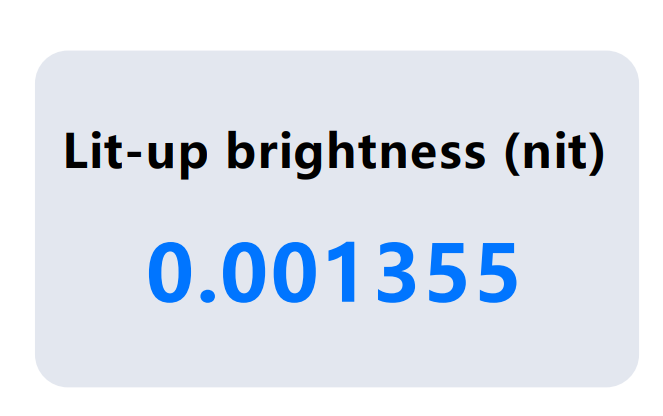
Its ultra-low-brightness calibration delivers black levels exceeding conventional digital cinema performance, even in Vantablack-lined technical calibration booths. He is also responsible for developing and validating Wallhalla’s advanced grayscale performance, color uniformity, signal integrity, high-refresh-rate operation, and precision calibration architecture.
Dr. Zhu is Secretary-General of the LED Display Application Branch of the China Optics and Optoelectronics Industry Association, a Professor-Level Senior Engineer, an Industrial Professor in Jiangsu Province, and a recipient of the Nanjing May 1st Labor Medal. He is also a member of the First National Technical Committee for Standardization of Flat-Panel Display Devices (SAC/TC547).
As a senior expert in the LED industry, Dr. Zhu has more than 30 years of experience in research, development, and engineering. He has long focused on major research projects and the development of core technologies. He led the development of the world’s first immersive DCI Videowaall, the first LED dome display and the world’s first fully acoustically transparent LED cinema screen, among other significant innovations.
His work has received multiple honors, including the International THEA Award and the Science and Technology Award from the China Society of Motion Picture and Television Engineers. He has led or contributed to the development of nearly 30 national and industry standards, holds more than 80 domestic and international patents, and has published more than ten academic papers.
Each Wallhalla EMPEROR videowall comes with a numbered identification plate personally signed by Dr. Zhu, the true “emperor” of the videowall world.
This collaboration provides Wallhalla with an exceptional competitive advantage. Rather than adapting commercially available hardware after production, critical aspects of the display architecture are evaluated during the engineering phase, allowing electrical, mechanical, optical, and thermal subsystems to be optimized as an integrated imaging platform.
The result is a level of engineering support rarely available to a custom residential display project.
Proprietary Dual Day/Night Calibrations Architecture
Wallhalla introduces a proprietary dual-calibration architecture that independently preserves two factory optical calibrations without compromising either operating mode.
Unlike conventional LED systems, which retain a single optical calibration within the Colorlight receiving-card architecture, Wallhalla separates calibration storage into two independent memory systems.
Primary Reference Cinema Calibration
The primary calibration is performed using the Colorlight CCM6000 optical calibration system and stored conventionally within Colorlight’s next-generation HC 5G receiving cards through the U-Max processing platform.
This reference profile is optimized for dedicated dark-room cinema performance, maximizing grayscale linearity, shadow detail, D65 accuracy, and reference image fidelity.
Secondary Bright Oceanfront and Exceptional 3D Calibration
Colorlight also provides the capability to store an independent calibration directly within the LED modules.
Wallhalla exploits this capability exclusively for bright oceanfront viewing at noon, followed by an exceptional and totally spatially overwhelming active-shutter 3D operating mode.
Because conventional module EEPROM capacity is generally insufficient to retain a complete second CCM6000 calibration dataset, Wallhalla modules are equipped with expanded-capacity EEPROM devices dedicated exclusively to storing the secondary Bright Oceanfront and 3D calibration.
This secondary optical calibration is intentionally engineered to limit calibration-related light loss to approximately 15%, preserving substantially greater luminance for bright oceanfront viewing at noon and active-shutter stereoscopic presentation while maintaining module-to-module brightness uniformity, color consistency, grayscale tracking, and geometric correction.
The exceptional 3D presentation produces extraordinary negative parallax, allowing objects to emerge completely beyond the screen plane and project dramatically into the room toward the audience. Rather than merely observing depth behind the videowall, viewers become spatially surrounded by three-dimensional objects that appear to occupy the physical viewing environment.
The result is two completely independent factory calibration environments.
Reference Cinema Mode continues to reside within Colorlight’s next-generation HC 5G receiving cards.
Bright Oceanfront and Exceptional 3D Mode resides independently within the expanded module EEPROM architecture.
Neither profile overwrites nor compromises the other.
Users may instantly switch between uncompromising reference cinema reproduction and a high-brightness profile engineered first for bright oceanfront viewing at noon and then for exceptional active-shutter 3D, without requiring recalibration, remeasurement, or service intervention.
This dual-memory calibration architecture enables Wallhalla to deliver one of the brightest professionally calibrated active-shutter LED presentations currently achievable, with extraordinary stereoscopic depth, spatially overwhelming immersion, and spectacular negative-parallax objects that appear to extend far beyond the videowall and directly into the audience, while preserving a completely independent reference cinema calibration.
Engineering for Native 240Hz Operation with selectable 144Hz and 120Hz downgear options.
Designing a reliable 240Hz LED videowall extends far beyond selecting faster driver ICs. At these refresh rates, nanosecond-scale timing errors, power-distribution instability, impedance discontinuities, clock skew, and thermal drift that remain invisible at conventional refresh rates can become visible as temporal artifacts, low-gray instability, image noise, or intermittent degradation.
Wallhalla has therefore been engineered from the PCB upward as a complete high-speed digital imaging platform rather than a conventional LED display operating at a higher frame rate.
To maximize timing integrity, each cabinet employs a dedicated 1/20 scan architecture using the XM11206G driver IC. The reduced scan ratio shortens LED conduction windows while lowering instantaneous switching stress, allowing higher grayscale precision and improved temporal consistency during 240Hz operation.
Every cabinet incorporates two independent Colorlight high bandwidth next gen HC 5 g cards receiving cards, reducing pixel-loading density while increasing available bandwidth and timing margin. By distributing image processing across two receiver cards instead of one, signal latency, clock skew, and data congestion are substantially reduced.
Signal integrity is further enhanced through a multilayer HDI PCB utilizing continuous ground planes, controlled-impedance differential routing, short high-speed trace lengths, optimized return-current paths, and extensive isolation between high-speed data and power distribution layers. These measures minimize impedance discontinuities, suppress ringing, reduce signal reflections, and improve immunity to electromagnetic interference.
A true dual-rail common-cathode power architecture minimizes supply modulation during rapid switching events, while extensive local decoupling suppresses transient voltage ripple that can otherwise affect low-gray performance during high-refresh operation.
Passive thermal management, optimized copper distribution, and reduced driver dissipation maintain stable junction temperatures, minimizing grayscale drift while preserving calibration accuracy over extended operating periods.
Factory optical calibration using the Colorlight CCM6000 further compensates for module-to-module luminance variation, chromaticity deviation, and cabinet geometry, ensuring that electrical precision is matched by optical uniformity across the completed display.
Collectively, these engineering measures reduce susceptibility to:
• Timing jitter
• Clock skew
• Data skew
• Signal reflections
• Ringing
• Electromagnetic interference (EMI)
• Crosstalk
• Power-rail modulation
• Low-gray instability
• Temporal artifacts
• Grayscale non-linearity
• Thermal drift
• Module-to-module luminance variation
• Cabinet seam visibility
• High-frequency switching noise
• Ground-bounce induced timing errors
• Differential pair imbalance
• Pixel-plane instability during 240Hz operation
Rather than relying on image-processing algorithms to compensate for hardware limitations, Wallhalla preserves signal integrity throughout the complete imaging chain. Every subsystem—from the LED package and driver IC to the receiver architecture, PCB layout, power delivery, thermal design, and optical calibration methodology—has been engineered as part of a unified platform dedicated to achieving native 240Hz performance with exceptional temporal stability, reference-grade grayscale precision, and uncompromised image fidelity for both professional cinema and high-performance active-shutter 3D.
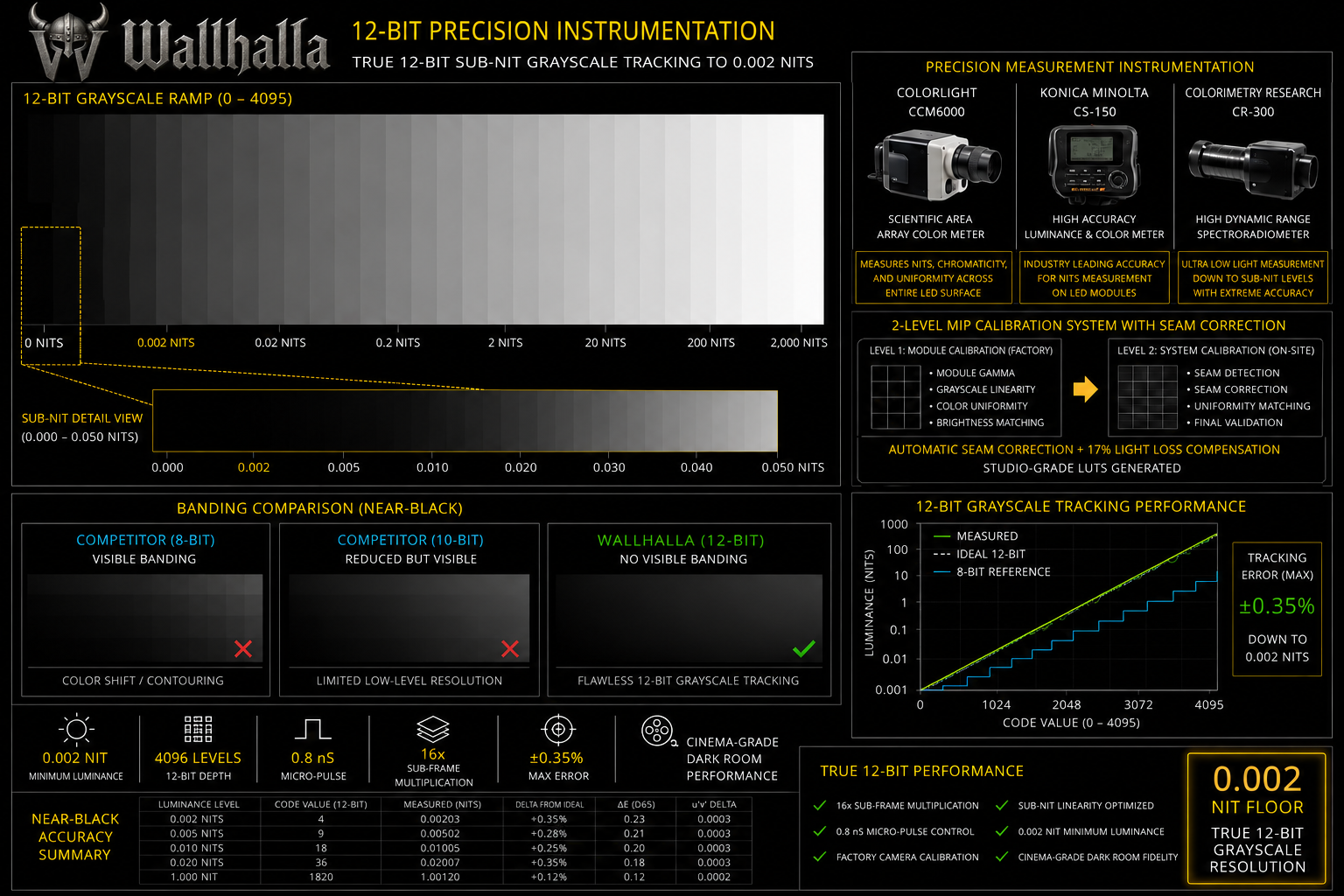
SUPERB BLACKS REDEFINED

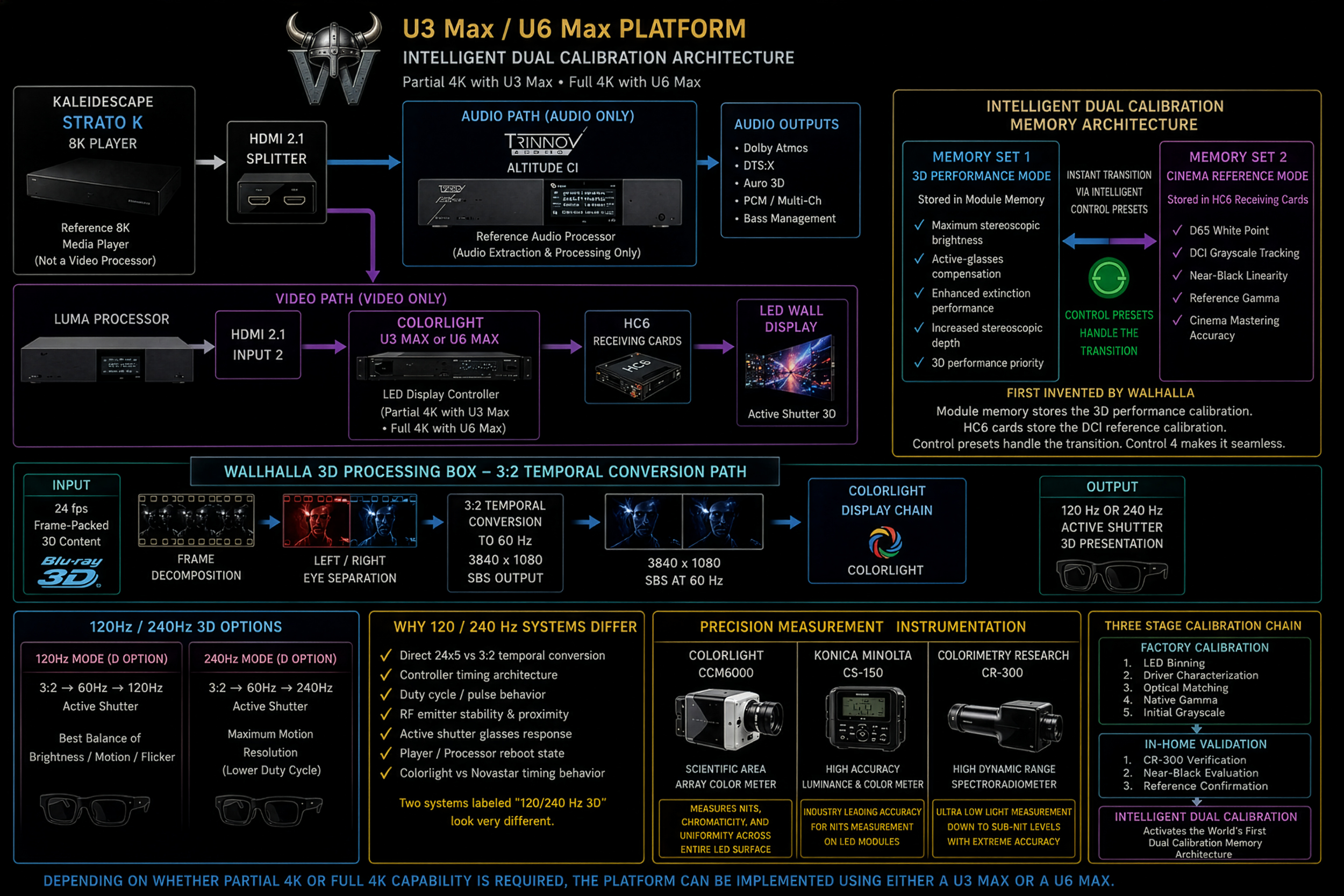
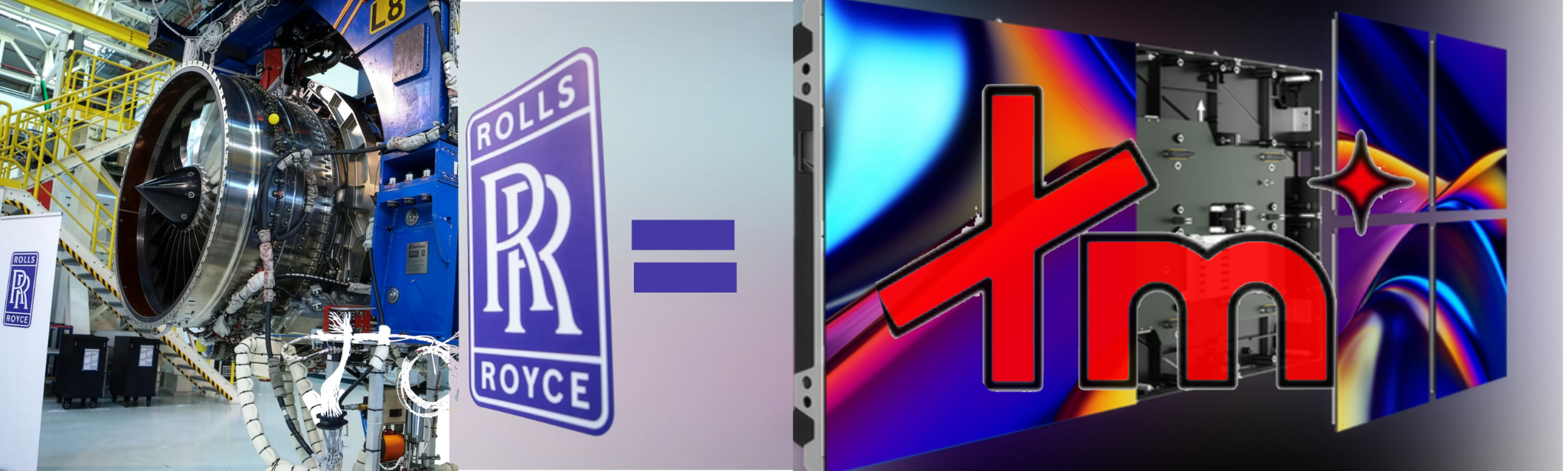
XM-11206G: THE ROLLS-ROYCE OF LED DRIVER ICs—THE TOP-OF-THE-LINE AIRCRAFT ENGINE DRIVING OUR NEXT-GENERATION DISPLAY PLATFORM
AMERICA’S MISSION-CRITICAL VIDEOWALL TEAM: ONE SEAMLESS SCREEN, PERFECTLY ENGINEERED AND FULLY SERVICEABLE.

OUR METIER: CINEMATIC DUAL VIEWS
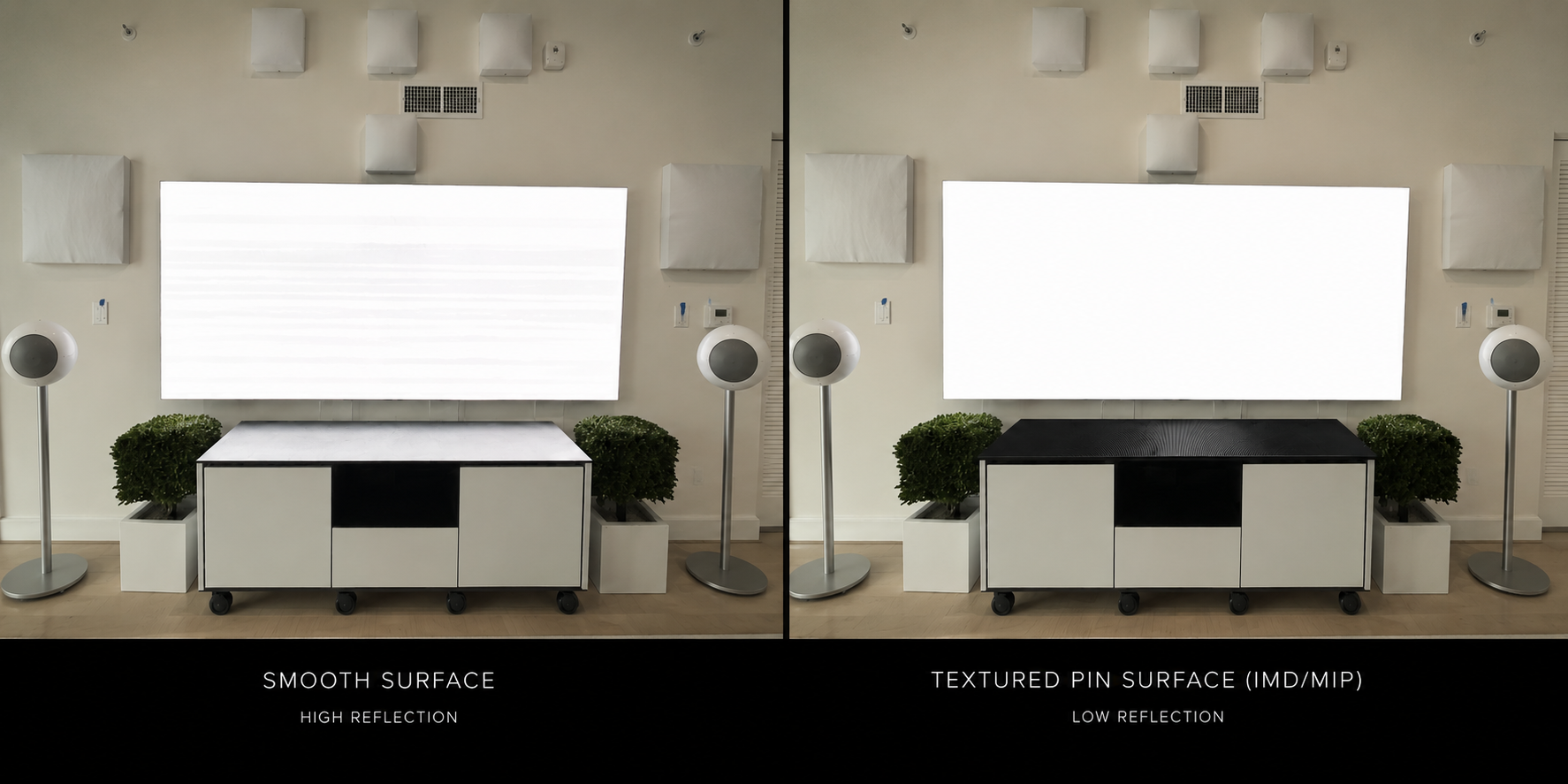
Engineer intervention.
The two images above were photographed under essentially identical conditions. Nothing was altered except the surface itself.
One immediately produces a broad, coherent reflection. The other breaks that reflection apart, leaving only a restrained central highlight.
The interesting question is not which one is flatter.
The interesting question is why our industry became convinced that absolute flatness was the objective in the first place.
In optical engineering, polished surfaces are designed to preserve reflections. In display engineering, the goal should arguably be the opposite: to make the substrate disappear and leave only the image.
Has the pursuit of microscopic perfection inadvertently compromised macroscopic seamlessness?
Perhaps what we have been calling an imperfection is actually an unrecognized optical advantage.
Food for thought.
CAMERA OBSCURA XXI
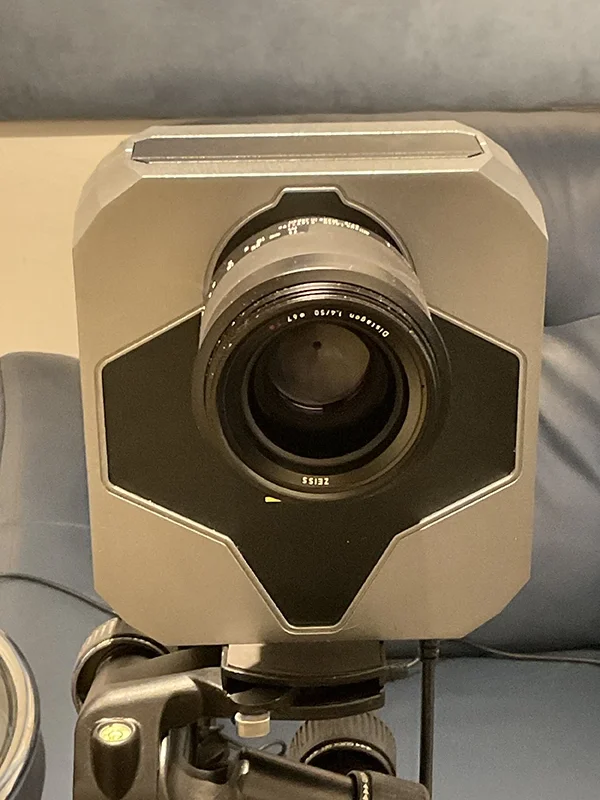
PRICED AT APPROXIMATELY $70,000, THE COLORLIGHT CALIBRATION SYSTEM WAS INITIALLY DEVELOPED TO ENSURE VISUAL UNIFORMITY IN ADVANCED DISPLAY CONFIGURATIONS. IT NOW EXTENDS WELL BEYOND THAT PURPOSE—ELIMINATING VISIBLE SEAMS, DARK JOINT LINES, AND ANY DISRUPTION TO IMAGE CONTINUITY ACROSS THE SURFACE.
THE PROCESS OPERATES AUTONOMOUSLY IN ABOUT ONE HOUR. WITH THE THREE-LAYER CONFIGURATION, THE RESULT IS A LEVEL OF BLACK AND IMAGE COHESION THAT SURPASSES CONVENTIONAL OLED PRESENTATION, DELIVERING A SINGLE, CONTINUOUS VISUAL FIELD.

STAY INFORMED
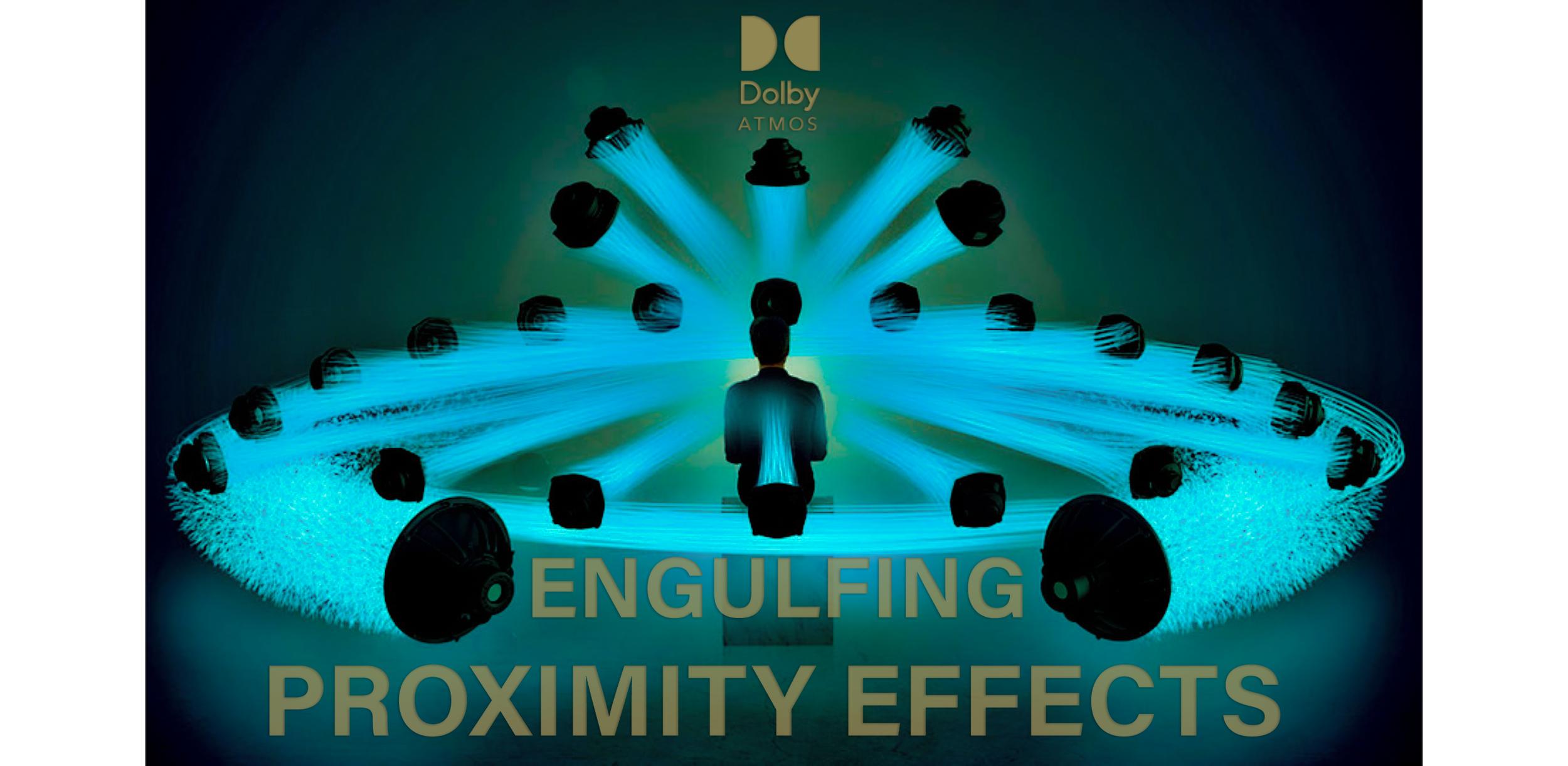
Ultimate Direct-to-Reverberated Sound Ratio Systems
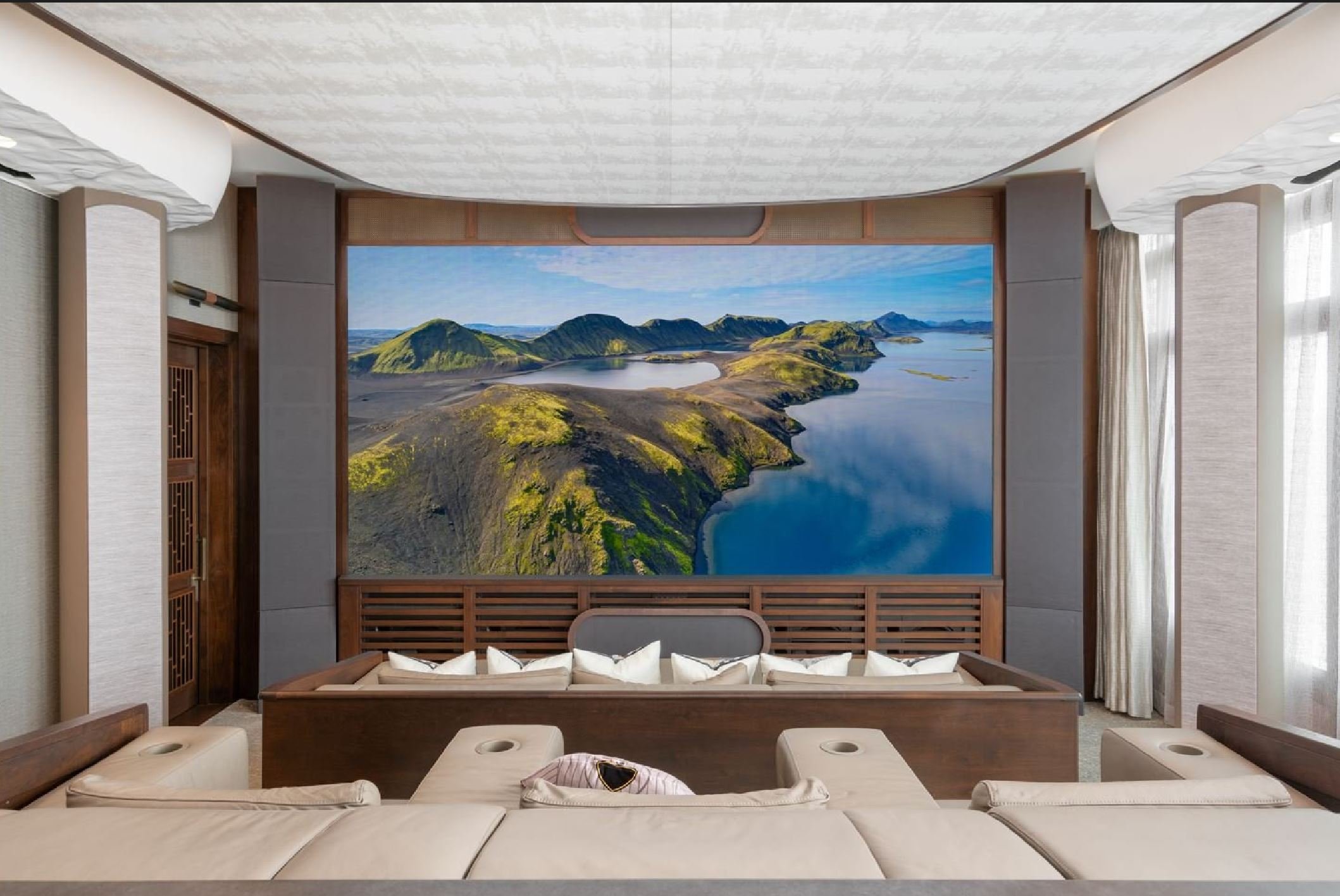
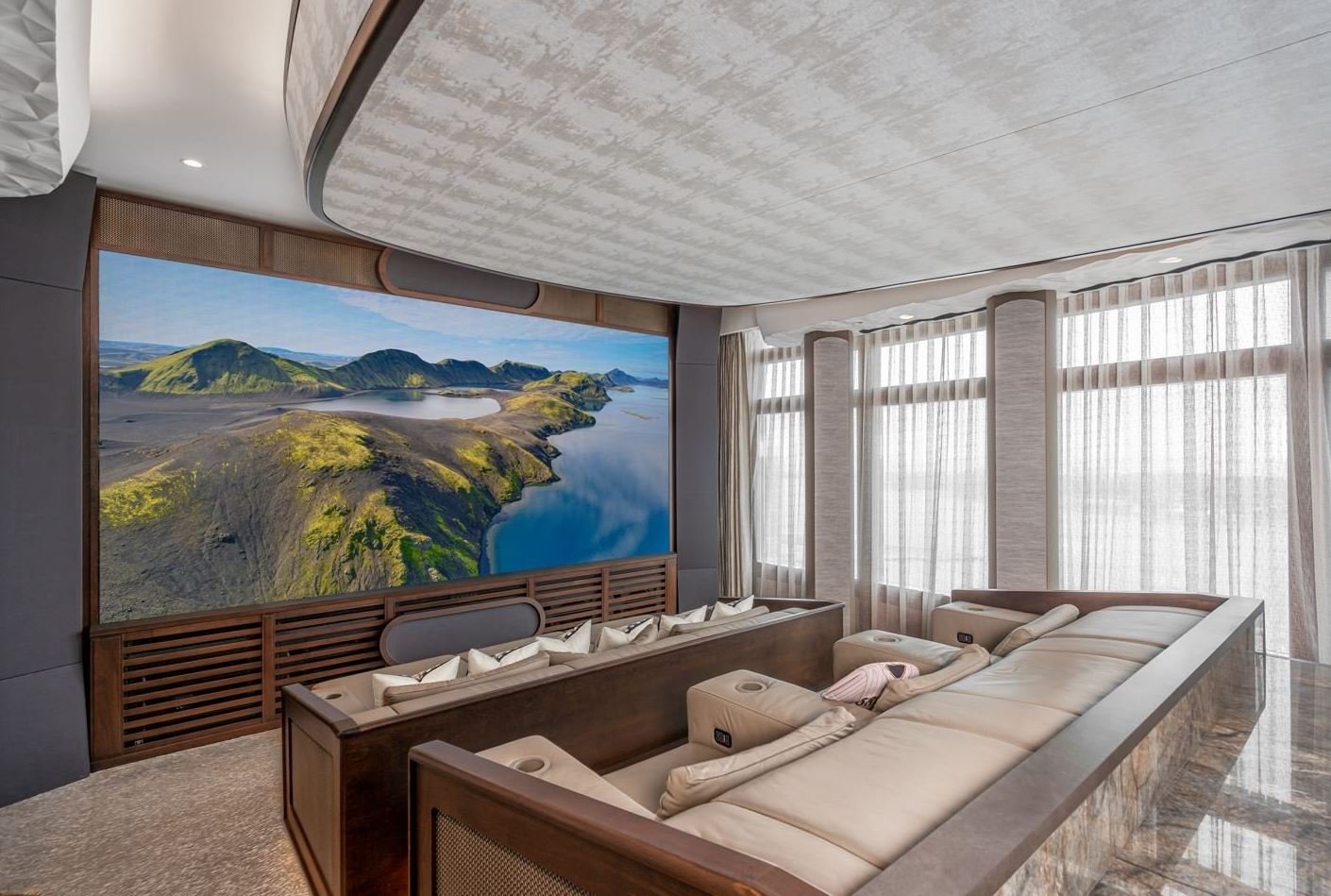
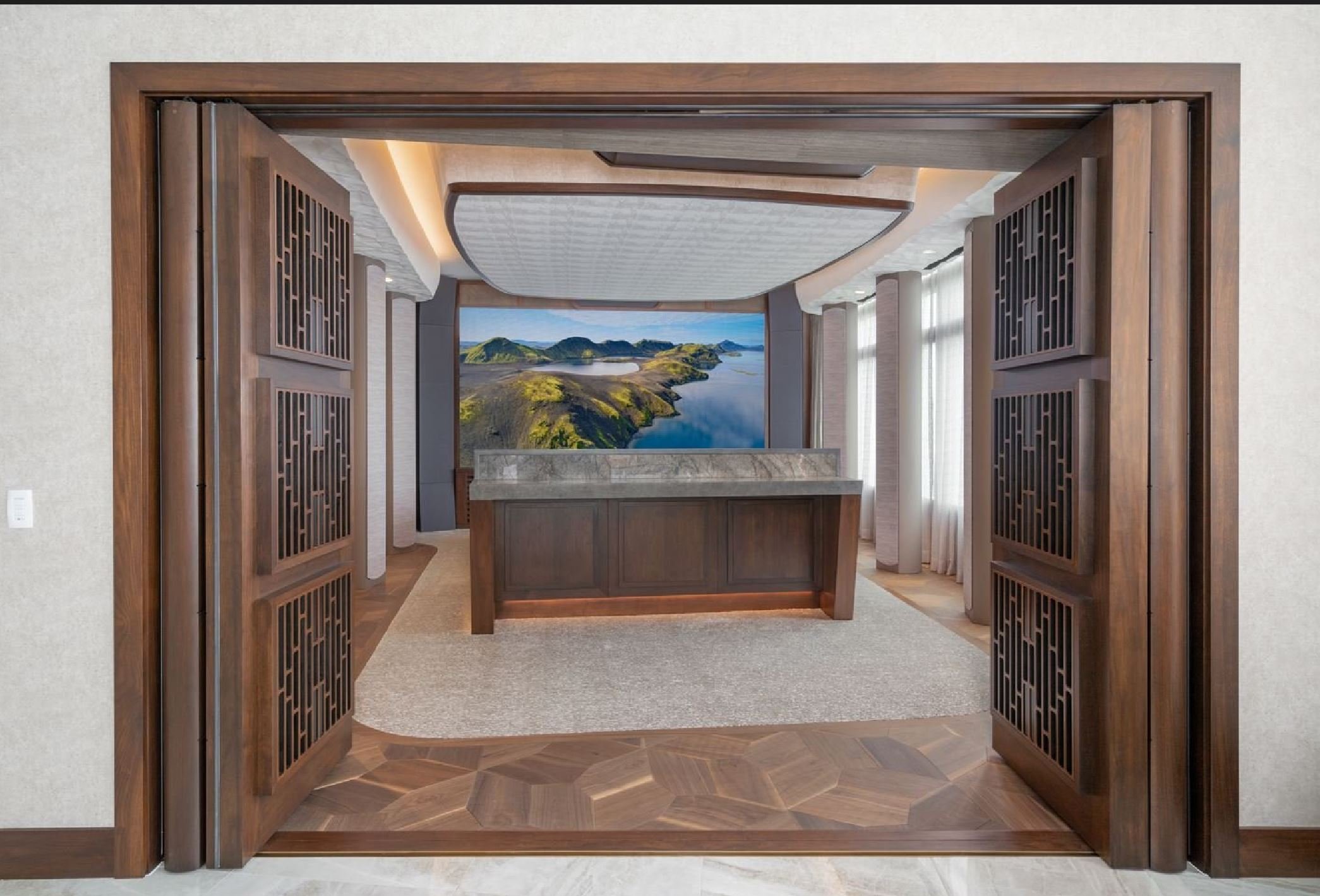
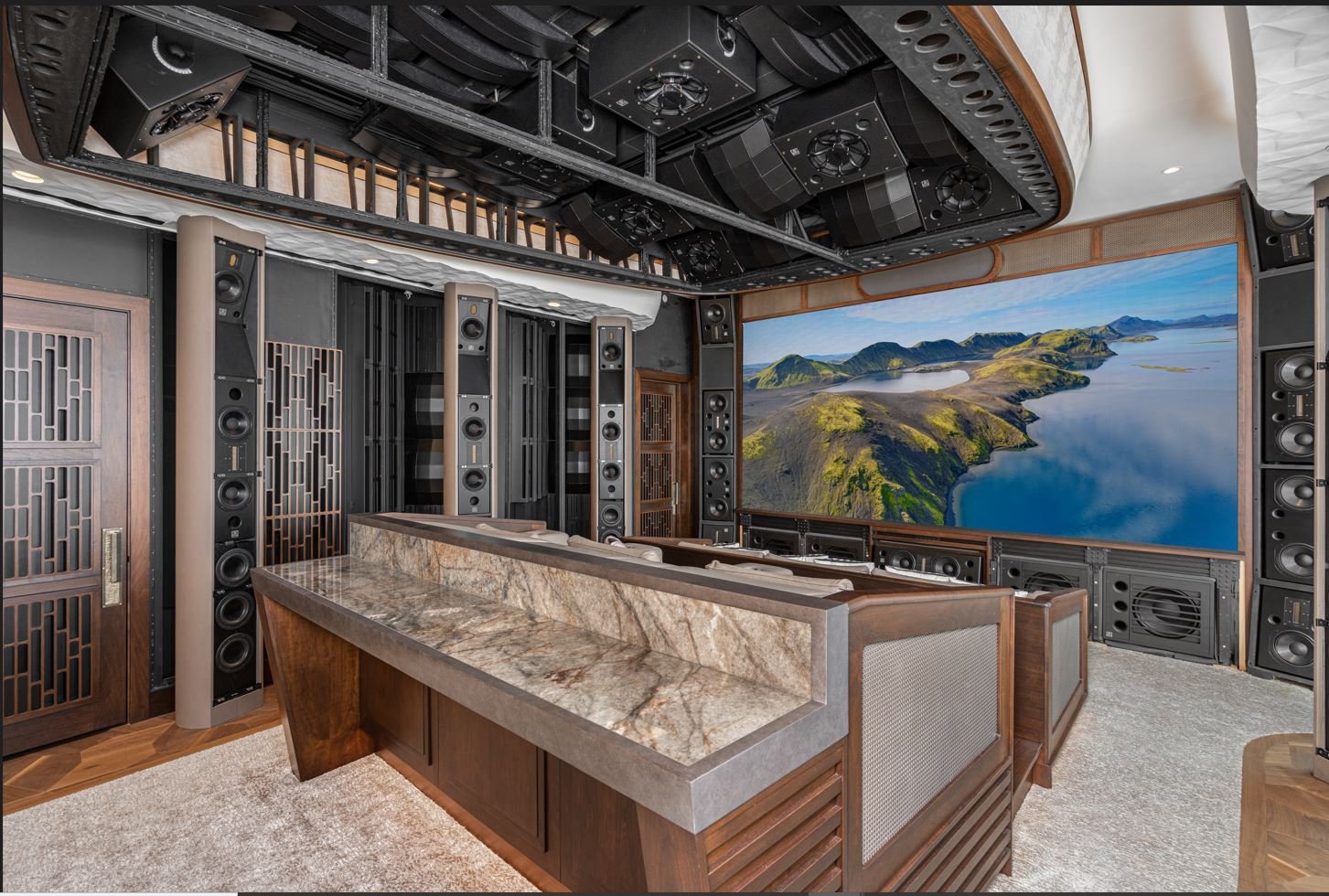
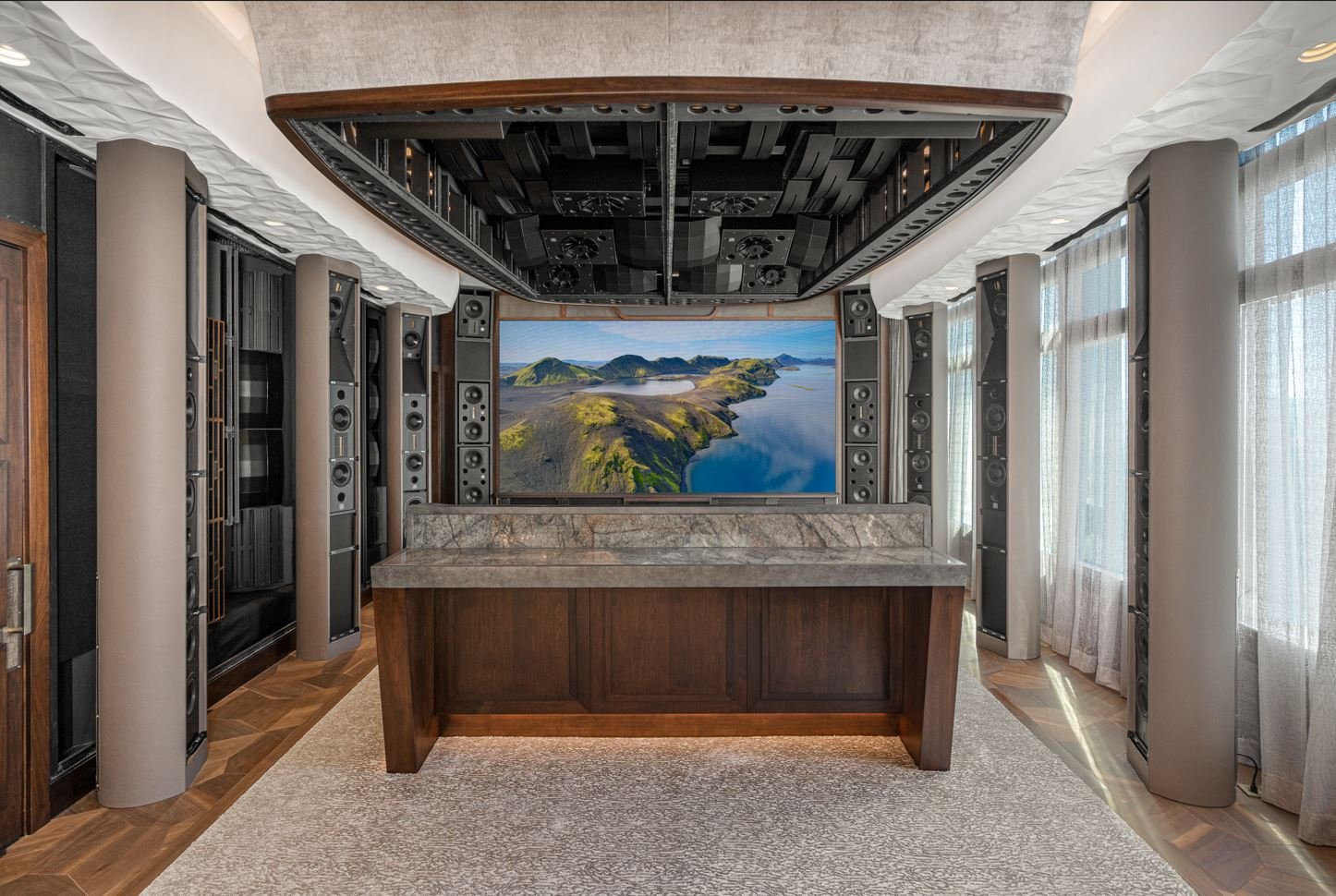
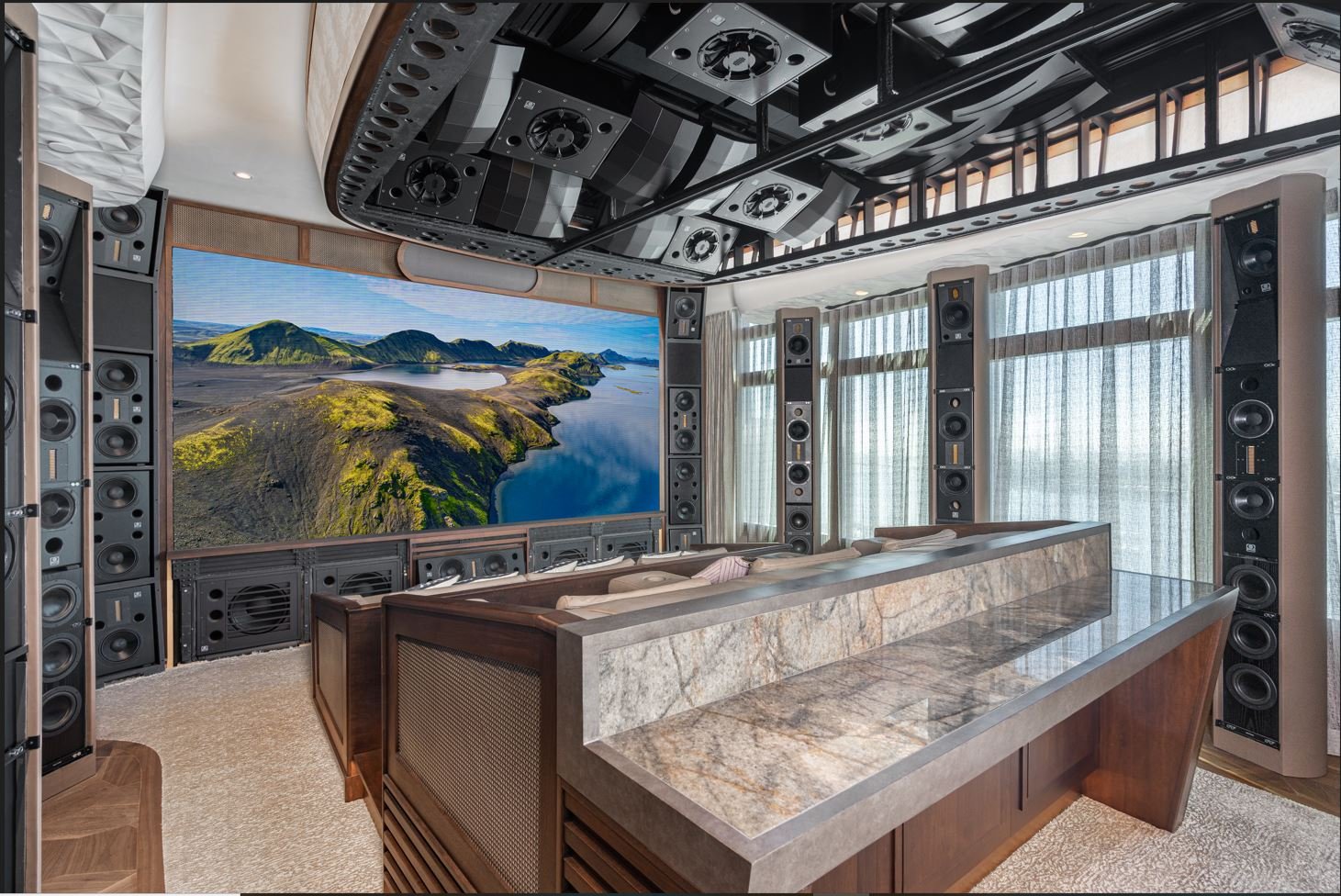
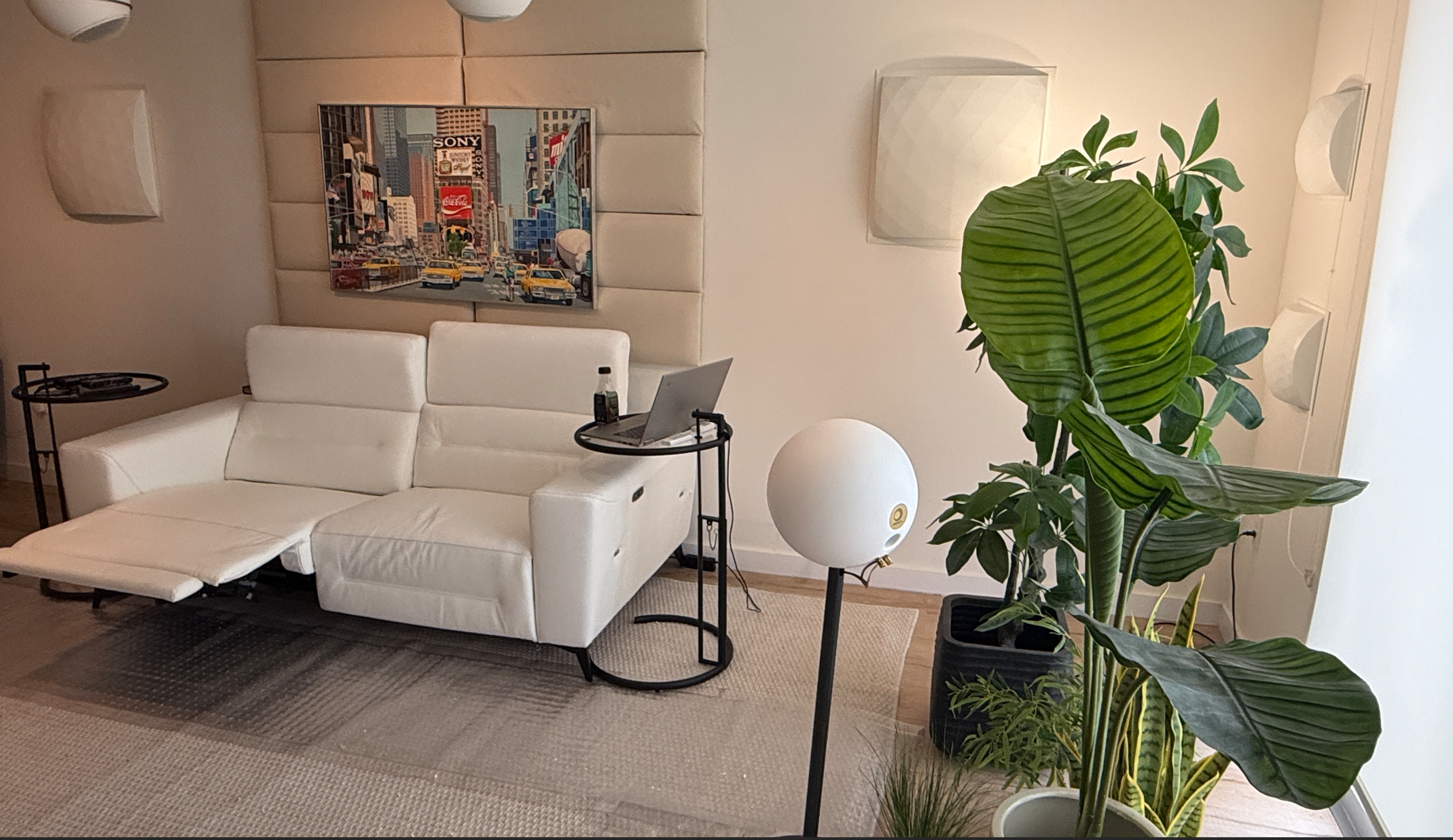
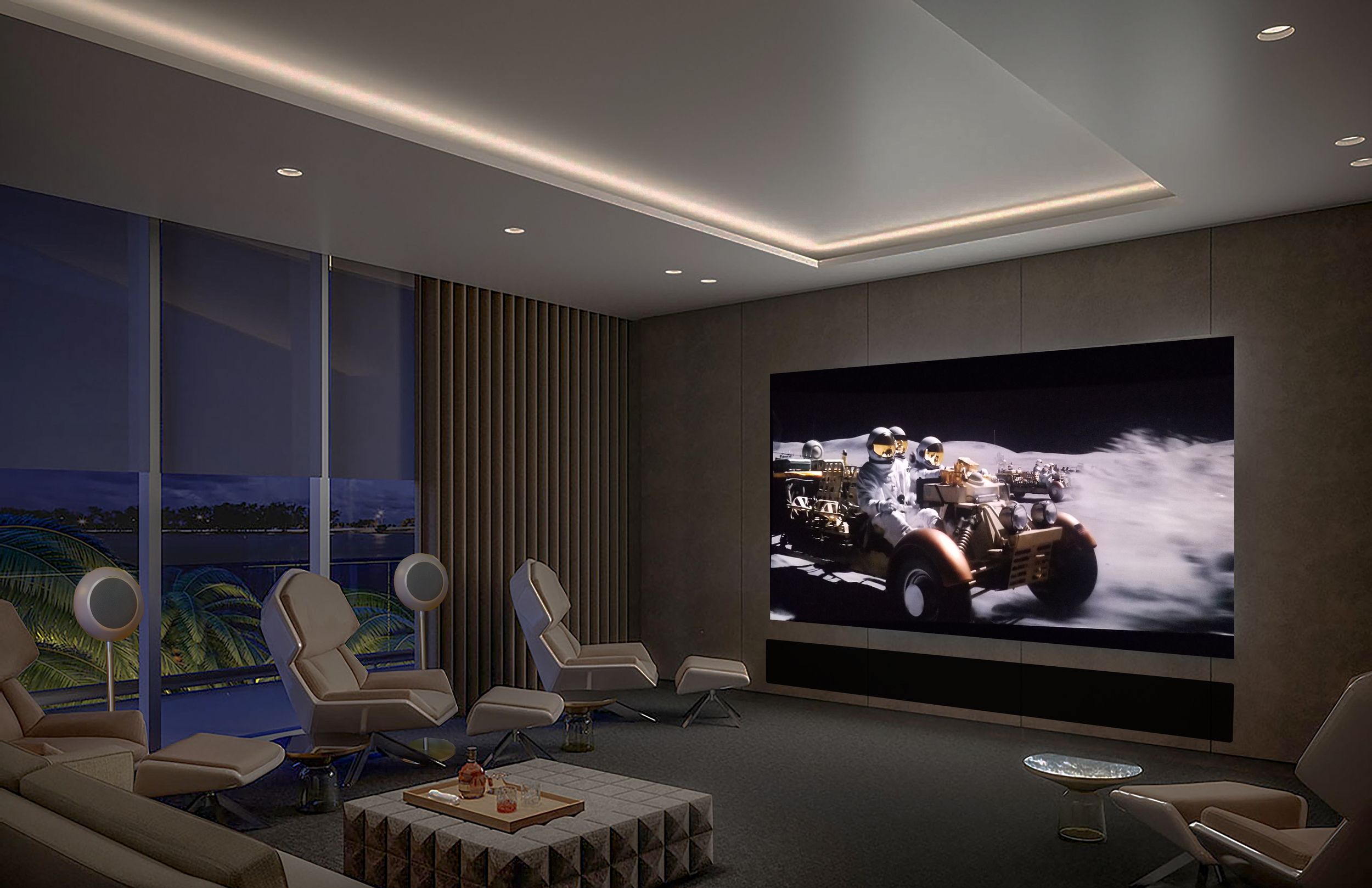
Framed by an uninterrupted, panoramic view of San Diego Bay—where luxury yachts glide past sunlit lamphouses and the Pacific horizon stretches beyond Point Loma’s storied cliffs—this waterfront penthouse crowns the coastline with a presence as refined as its surroundings. The primordial Wallscreen Skylounge thus offers two inimitable views: one, the natural majesty beyond the glass; the other, a second-generation Sony Crystal LED display delivering uncompromising visual immersion from within.
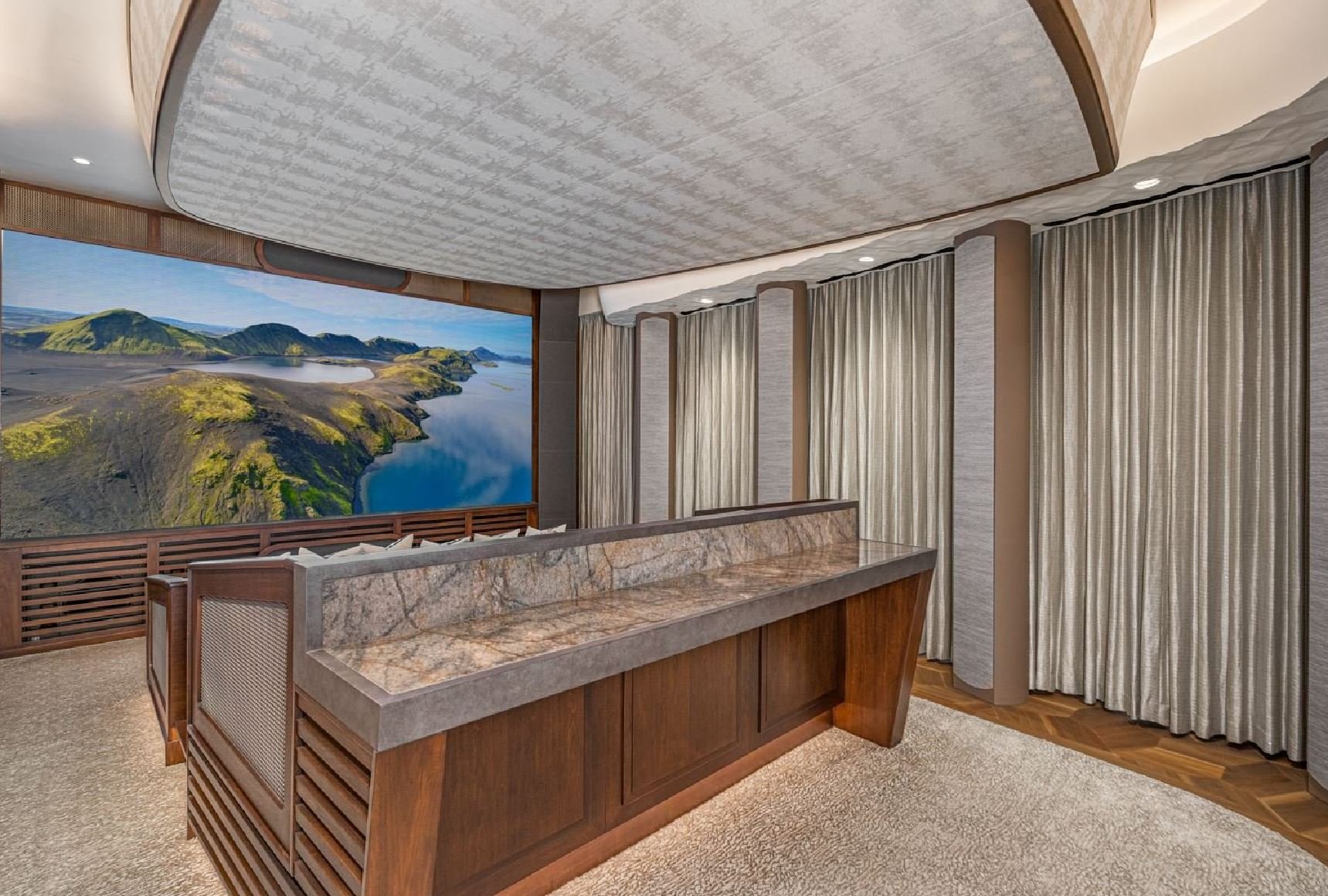
This San Diego waterfront penthouse features a state-of-the-art immersive arts room, establishing a new benchmark in home cinema design. The initiative is the fruit of collaborative efforts with premier European architects and designers, leading to significant breakthroughs in audiovisual technology. The Wallscreen Immersive Canopy—a creation of Wallscreen Skylounges, who brings over 35 years of expertise in acoustics for hard rear-projection and curved solid screens—adeptly addresses the acoustical and ergonomic challenges posed by video walls and introduces the inaugural residential application of see-through window acoustics.
The room's exceptional nature is underscored by its ultimate direct-to-reverberated sound ratio system, realized through the strategic deployment of speakers distanced from the walls and housed within leather-wrapped acoustical radial diffuser columns. Selected by an audio videophile of unparalleled discernment and expertise, the system stands as the apex in terms of installation quality, acoustics, screen voice clarity, immersive rear and side experiences, accurate overhead imaging, optimal room decay time (325ms), and overall envelopment. It surpasses even the most perfectly conceived acoustic boxes, including those by the most celebrated acoustician in CEDIA.
Declared superior to some of America’s finest home theaters by that same discerning audiophile, the room was initially evaluated purely by ear. Gifted with extraordinary auditory perception and heightened sensory focus, he identified an uncanny precision in decay time. Subsequent measurements confirmed his intuition: deviations were within five milliseconds. The acoustic devices had been positioned by Peter, the engineer, guided not by equations, but by enlightened intuition—refined over decades of immersive sound design.



WALLHALLA.TV IS OUR TRADEMARK.
ALL RIGHTS RESERVED WALLHALLA.TV
Telephone: 1-305-206-6073
Specialist@Wallhalla.TV
